

What Baby Skin Care Products Does Your Newborn Need?
Protecting the delicate skin of your baby is one of the most significant things in early parenthood. Due to the thinness of the skin and high sensitivity of the newborn, its skin requires additional care and products that are designed to meet its demands.
Whether it is the selection of the most appropriate baby skin care products or knowing what to avoid in the ingredients, this guide will assist new parents in navigating the world of baby skin care products without fear. Use products that are suggested by dermatologists, hypoallergenic, and clinically tested, such as Cetaphil Baby, to preserve the natural softness of your baby and ensure the protective layer of their skin immediately after their birth.
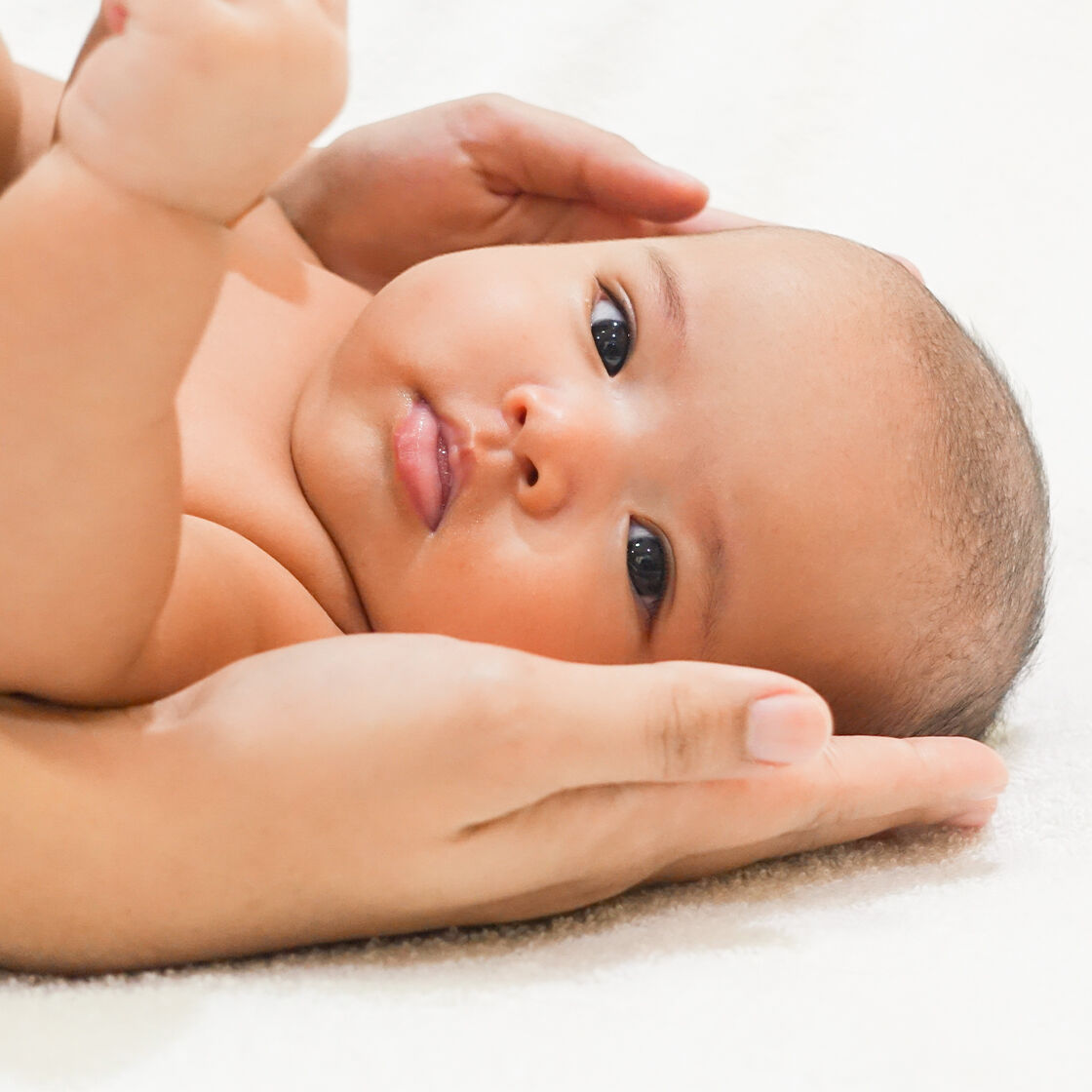
Why You Should Be Careful About Baby Skin Care
The skin barrier of a baby is more susceptible to dryness, irritation, and harsh ingredients. That is why it is important to select the baby skin care products that are approved by dermatologists.
The main reasons why Gentle Baby Skincare should be prioritized include:
- Less Elastic Skin: This is because baby skin is approximately 30% thinner than adult skin, and it is consequently more vulnerable.
- Increased Absorption Rate: Harsh chemicals are easily absorbed.
- Weak Immune System: The skin of babies has less immune power against irritants.
- Increased Water Loss: Their skin is very dry, and thus it needs to be replenished with water.
- Hack: It is always advisable to patch-test a new product before applying it to the entire body of your newborn.
What to Look for in Baby Skin Care Products
There are many products on the market, and it may be hard to get the right products. Pay attention to ointments and gels curated for baby skin without harmful ingredients.
Essential Qualities to look for:
- pH-Balanced: The natural skin barrier is retained.
- Hypoallergenic: Minimizes the allergic or reactionary risk.
- Unscented: Intense odors may irritate.
- No Harsh Chemicals: Do not use parabens, sulfates, phthalates, or alcohol.
- Moisturizing Ingredients: Find glycerin, aloe, sunflower seed oil, or shea butter.
- Dermatologist-Recommended: Trusted brands such as Cetaphil Baby are safe and effective because of the clinical testing.
The Most Common Misconceptions of Baby Skincare
Natural is not necessarily a safe ingredient; certain natural oils may clog the pores or cause a rash. Excess cleansing may cause damage to the protective barrier.
Parent Hack: Use the Cetaphil AI Skin Analysis Tool to personalize your recommendations of the products to suit your baby’s needs.
Essential Baby Skin Care Products for Newborns
Here are some of the essential products for your newborns and tips on what to look for:
1. Baby Cleanser or Body Wash
- Select a non-tearful and gentle wash, such as Cetaphil Baby Wash and Shampoo with Organic Calendula.
- Washes without drying out natural oils.
- Helps to keep the pH of the skin in balance.
- Suitable for daily use.
2. Baby Shampoo
- The head of a newborn may be susceptible to cradle cap. Wash it with a soft, non-detergent shampoo.
3. Baby Moisturiser or Lotion
- The secret to having soft and healthy skin is to be hydrated. The Cetaphil Baby Daily Lotion containing Shea Butter seals in moisture and prevents dryness.
- Perfect daily after the bath.
- Non-adhesive, fast-absorbing, and non-hypersensitic.
4. Diaper Cream
- To avoid rashes, apply Cetaphil Baby Diaper Cream with Organic Calendula, which creates a protective layer.
- Calms the irritation and reddening.
- Devoid of any parabens and mineral oil.
5. Massage Oil (Optional)
- Massage increases circulation and attachment. Use coconut or sunflower oils, which are safe for babies.
- Avoid strong essential oils.
6. Baby Wipes
- Clean the diapers with alcohol-free and fragrance-free wipes and sensitive areas.
7. Sunscreen (Babies older than 6 months).
- Infants below the age of six months should not be exposed to direct sunlight.
- Apply mineral baby sunscreens that are tested by dermatologists for use on sensitive skin.
How Often to Use Baby Skin Care Products
Use of frequency depends on the age of a baby, skin type, and environmental factors.
General Guidelines:
- Bathing: Baths 2-3 times per week in newborns. Baby's skin is more susceptible to dryness with daily baths.
- Moisturizing: Lotion should be applied right after taking a bath to seal in moisture. Reapply in dry weather.
- Diaper Cream: Apply after each change of diapers.
- Washing: Clean the face and folds of the neck of the baby with a soft, damp cloth every day.
- Quick Tip: The less is more principle is the most effective in this case because excess products may interfere with the natural balance of the skin of baby.
Additional Tips for Baby Skin Care
Keeping the baby's skin healthy involves more than selecting the appropriate products for baby skin care.
1. Maintain Proper Hygiene
- Wipe your hands before touching the baby’s face or applying creams.
- Wash baby clothes, towels, and bedding.
2. Avoid Overheating
- Drape your baby with breathable cotton.
- Do not use wool or synthetic clothes that itch or irritate.
3. Prevent Dryness
- Have a humidifier during winter to preserve the moisture in the air.
- Apply moisturizer right after bathing.
4. Sun Protection
- Do not expose babies directly to the sun if they are less than 6 months old.
- Wear high-rimmed hats and loose long sleeves during a walk.
5. Treat Skin Ailments early.
In case there is redness, bumps, or lasting dryness, a paediatric dermatologist should be consulted. The Cetaphil Baby products are mild, even to babies with sensitive skin or those affected by eczema.
Conclusion
Choosing appropriate baby skin care products is a difficult decision to keep your baby’s skin soft and healthy, and to preserve their health and comfort. A dermatologist-endorsed skincare routine can entirely transform the initial few months.
To obtain credible and safe outcomes, consider Cetaphil Baby, a range of products that are dermatologist-recommended and are designed to work effectively with sensitive skin. All the products are non-allergenic, dermatologically tested, and developed based on mild, enriching ingredients such as shea butter or calendula extract.
FAQs
What ingredients should I avoid in baby skin care products?
Avoid parabens, sulfates, phthalates, alcohol, artificial fragrances, and dyes. These can irritate or dry your baby’s delicate skin. Always choose dermatologist-tested and hypoallergenic baby skincare ranges like Cetaphil Baby.
How often should I bathe my newborn?
Bathe your newborn 2–3 times a week. Frequent baths may strip natural oils, causing dryness. Clean your baby’s face, neck, and diaper area daily using a soft cloth or baby-safe wipes.
Can I use regular lotions on my baby?
No. Regular lotions may contain fragrances, alcohol, or chemicals unsuitable for the skin. Always opt for baby-specific, dermatologist-tested moisturizers like Cetaphil Baby Daily Lotion with Shea Butter.
Are natural products always safe for my baby's skin?
Not necessarily. Some natural ingredients can irritate sensitive skin or cause allergies. Always perform a patch test and use clinically proven, pH-balanced baby skincare products recommended by dermatologists.
How can I tell if my baby is reacting to a skin care product?
Watch for redness, dryness, small bumps, or persistent itching. Stop using the product immediately and consult a pediatrician. Use soothing, fragrance-free products like Cetaphil Baby Lotion to restore comfort.
Cetaphil Cleansers for Sensitive Skin

Gentle Skin Cleanser


