Winter Skincare Mistakes: Skipping Sunscreen Tops the List
Winter often feels like a break for the skin. The sun feels softer, the heat fades, and many people pack away products they used all summer. This is where one of the most common winter skincare mistakes begins. Sunscreen slips out of the routine, and this happens quietly. People think less sun means less damage. That thought seems logical, yet skin behaves differently.
Cold air dries the surface of the skin, and our indoor heater pulls moisture out. The sun still reaches exposed areas, such as the face, neck, and hands. Winter light reflects off concrete, glass, and even snow. Skin still absorbs ultraviolet rays. The damage does not stop because the temperature drops.
This issue arises more frequently than expected when people notice dullness or an uneven tone in late winter. The reason often traces back to skipped protection and small daily habits that add up.

Why Sunscreen is Essential Even in Winter
Ultraviolet rays remain present all year; clouds block heat, not radiation. UVA rays, which affect skin aging and texture, pass through clouds and windows. This is why sunscreen in winter matters as much as it does in warmer months.
A few things happen during winter that increase skin exposure:
● People spend more time near windows and screens.
● Skin barriers weaken due to cold air and heating.
● Reflection from snow or light-colored surfaces increases exposure.
Winter SPF helps protect skin from these quieter forms of damage. People often assume protection only matters at the beach. Daily exposure works in smaller doses but happens often. This is why sunscreen in winter should be seen as a mandatory measure.
Common Winter Skincare Mistakes
Winter routines often stay the same as summer routines, or people simplify too much. Both approaches can cause issues.
Not Using Sunscreen
Skipping sunscreen in winter sits at the top of the list. Many people think sunscreen for the winter season feels unnecessary. This belief causes uneven tone, dryness, and sensitivity by spring.
Key areas people forget:
● Around the eyes
● Ears
● Neck and jawline
● Hands
Even a short walk outside exposes these areas. The best SPF for winter (SPF 50) usually stays around 30-50 minutes for daily use. Higher levels suit long outdoor exposure.
Overly Hot Showers
Hot water feels comforting in cold weather, but it also strips natural oils from the skin. Long hot showers weaken the skin barrier and increase dryness.
Signs this causes issues:
● Tight feeling after washing
● Flaky patches around the nose
● Redness on cheeks
Warm water works better than hot. Shorter showers help keep moisture in place.
Ignoring Hydration
People drink less water during winter. Skin reflects this change. Dehydration makes fine lines more visible and affects texture.
Hydration habits that help:
● Regular water intake
● Moisturizers suited for cold weather
● Sunscreen for winter for dry skin that includes moisturizing elements
This combination supports skin comfort through the day.
Using Harsh Cleansers
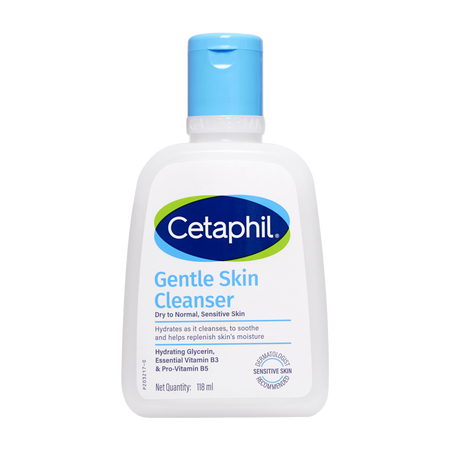
Foaming or stripping cleansers feel refreshing in summer. In winter, they often cause dryness. Skin feels clean at first, then tight within minutes. A gentler cleanser supports balance and prepares skin for protection layers like winter sunscreen for dry skin.
Tips for an Effective Winter Skincare Routine
Winter skincare does not need more products. It needs better choices and small adjustments.
Helpful points to keep in mind:
● Use sunscreen daily, even on cloudy days
● Choose a sunscreen for the winter season that feels comfortable on dry skin.
● Apply moisturizer before sunscreen to suppor t hydration.
● Reapply sunscreen when outdoors for long periods.
● Protect exposed areas beyond the face.
A sunscreen that feels heavy often gets skipped. Texture matters more in winter because dryness makes skin less forgiving. Around the middle of winter routines, many people turn to dermatology-backed brands for reliable options. Cetaphil offers daily sunscreen and moisturizers that suit sensitive and dry skin types. This helps people compare textures without switching routines too often.
Seasonal Adjustments to Your Skincare Regimen
Winter routines work best when they adapt to weather and lifestyle. Skin reacts to cold air, indoor heating, and shorter daylight hours.
Simple seasonal changes include:
● Switching to sunscreen for winter for dry skin.
● Use cream-based moisturizers instead of gels.
● Reducing exfoliation frequency.
● Applying sunscreen earlier in the morning due to low sun angles.
People often forget that the winter sun sits lower in the sky. This increases exposure to the face, especially during morning and afternoon hours. The best SPF for winter depends on exposure time. SPF 30 suits daily routine, SPF 50 suits outdoor activities like hiking or traveling.
Conclusion
Winter skincare mistakes often happen without notice. Skipping sunscreen feels harmless at first. Over time, skin shows the effects through dryness, uneven tone, and sensitivity. Sunscreen in winter supports long-term skin health in quiet ways. Looking through these points early can make the process easier when you apply.
FAQs

Yes. Ultraviolet rays affect skin throughout the year. Winter sun still causes damage, especially UVA exposure through clouds and windows. Daily use protects exposed areas.
Apply once in the morning for daily errands. Reapply every two to three hours during extended outdoor time, especially during travel or outdoor activities.
You can, but textures may feel heavy or dry. Many people prefer sunscreen for the winter season that offers hydration alongside protection.