Top Skin Challenges for Oily & Acne-Prone Skin in India and How to Manage Them
Oily and acne-prone skin behaves differently in India. Weather shifts feel sharper. Pollution lingers longer. Winters feel dry in the morning and sticky by afternoon. Many people expect oil levels to drop once temperatures fall, but that rarely happens. Oily skin in winter often acts unpredictably, sometimes worse than in summer.
This confusion leads to over-cleansing, skipping moisturizer, or changing products too often. People miss this sometimes. Skin reacts more to sudden changes than to consistent routines.
Understanding what actually challenges oily and acne-prone skin in Indian conditions makes winter care easier to manage.

Common Skin Challenges for Oily & Acne-Prone Skin in India
Indian winters vary by region, but a few patterns stay common.
● Cold mornings followed by warmer afternoons
● Dry indoor air from heaters or closed rooms
● Pollution is trapped closer to the ground
● Reduced water intake
These factors affect oily skin in subtle ways.
● Oil dehydration cycle: Skin feels dry on the surface yet produces more oil underneath. This happens when moisture drops, but oil production continues.
● Clogged pores despite dryness: Dead skin buildup increases during winter. Oil mixes with this buildup and triggers breakouts.
● Acne flare-ups: Thicker sebum during colder months blocks pores faster. Breakouts appear deeper and heal more slowly.
● Irritation from harsh routines: Many people switch to strong cleansers or skip moisturizer. Skin reacts with redness or sudden acne.
This comes up more often than expected during winter transitions.
Identifying the Right Winter Moisturizer for Oily Skin
The idea of a winter moisturizer for oily skin still feels uncomfortable for many. Moisturizer often gets blamed for shine and breakouts. That assumption usually misses the point. When oily skin lacks water, oil production increases. The right winter cream for oily skin supports hydration without heaviness.
What tends to work better:
● Lightweight textures that absorb without residue
● Non-occlusive formulas that support water balance
● Moisturizers that calm skin rather than coat it
Skipping moisturizer often leads to more oil by midday. A suitable winter moisturizer for oily skin helps stabilize skin instead. The appeal usually lies in consistency, not intensity.
Effective Skincare Routine for Acne-Prone Skin
Oily skin care for winter benefits from restraint.
Winter routines work best when they feel boring and steady.
Key points that support acne-prone skin:
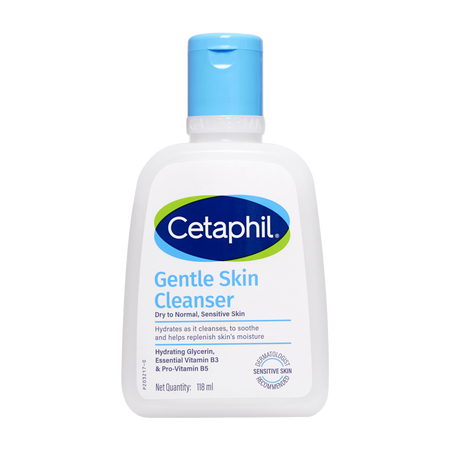
● Use a cleanser for oily skin in winter that cleans without stripping
● Avoid washing the face too often
● Maintain moisturizer use even when skin feels oily
● Keep exfoliation gentle and infrequent
People often assume winter calls for stronger products. In reality, skin tends to respond better to mild adjustments.
Sunscreen also stays relevant. Many forget sunscreen in winter, yet UV exposure remains. Sunscreen in winter protects against pigmentation and post-acne marks, which often linger longer during colder months. People skip this step, thinking sun damage pauses. It does not.
A light sunscreen layered over moisturizer usually works better than skipping protection entirely.
Dietary Changes to Mitigate Oily and Acne-Prone Skin Issues
Diet does not cause acne alone, but it influences inflammation and oil balance.
Winter habits often include:
● Lower water intake
● Higher fried food consumption
● Reduced fruit intake
Small shifts help support skin balance.
Helpful adjustments include:
● Drinking water regularly, even without thirst
● Adding seasonal fruits and vegetables
● Reducing frequent fried snacks
This does not mean strict rules. It means awareness. Skin often reflects internal changes more slowly than expected. This comes up more often with people who notice acne flares despite consistent skincare.
Lifestyle Habits to Adopt for Clearer Skin
Lifestyle choices affect oily skin more than people realize.
A few habits that quietly impact winter skin:
● Using very hot water on the face
● Touching or rubbing dry patches
● Sleeping with heavy blankets close to the face
● Using the same pillowcase for long periods
Small adjustments here make skincare work better. Another point people overlook involves sunscreen in winter. UV rays remain present even during foggy days. Sunscreen in winter helps protect healing acne spots from darkening. This matters more in Indian skin tones, where pigmentation can last longer. Using sunscreen regularly supports long-term clarity rather than immediate oil control.
Conclusion
Oily and acne-prone skin in India faces a unique mix of climate, pollution, and lifestyle factors during winter. Managing it does not require drastic changes.
It works better when routines stay steady, hydration stays consistent, and protection continues through colder months. Understanding oily skin in winter helps reduce trial-and-error decisions that often lead to irritation. Looking through these points early can make the process easier when you apply.
FAQs

Oily skin results from overactive sebaceous glands. Genetics, hormones, climate, and skincare habits influence oil production. In winter, dehydration can trigger the skin to produce even more oil to compensate.
Yes. Lightweight moisturizers hydrate without clogging pores. Skipping moisturizer often increases oil production. Choosing the right winter moisturizer for oily skin helps balance hydration and shine.
Once or twice a week usually works. Over-exfoliation irritates skin and increases oil output. Winter skin benefits from gentler exfoliation to avoid dryness and breakouts.