

How Salicylic Acid Can Help Prevent Future Breakouts
Breakouts are frustrating, and they may impact confidence and the skin health of an individual. Salicylic acid is among the most efficient ingredients dermatologists recommend for acne prevention and management . It has exfoliating and clearing effects on the skin and is a reliable companion for dealing with oily and acne-prone skin. Knowing salicylic acid uses for skin helps you avoid using it in the wrong way and take advantage of its full effect to have smooth, clearer, and healthier skin.
What is Salicylic Acid?
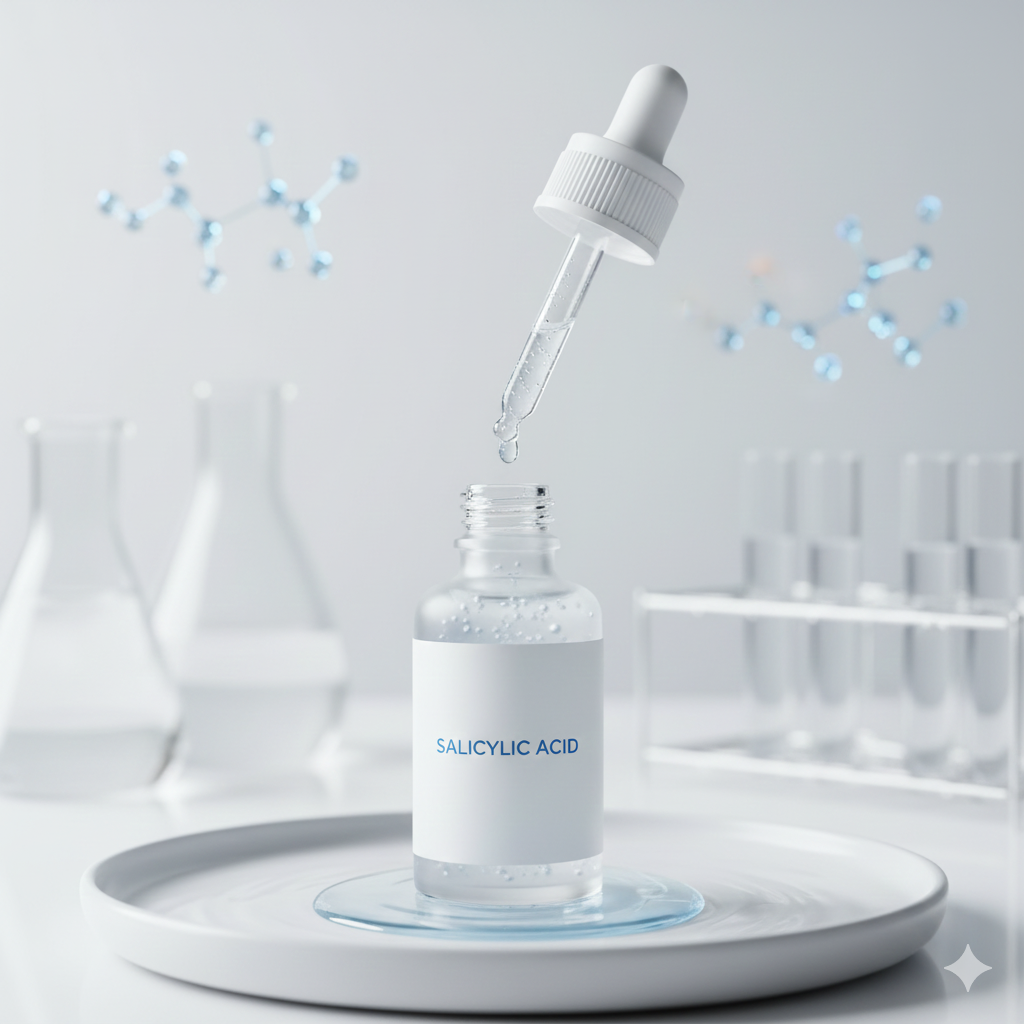
Salicylic acid is a beta-hydroxy acid (BHA). It exfoliates skin gently, deep into the pores, and dissolves excess sebum and dead skin cells, which leads to the formation of acne.
The important things about salicylic acid:
- It is oil-soluble, thus capable of penetrating the deeper skin layers compared to water-based exfoliants.
- It helps in clearing the pores, minimizing blackheads and whiteheads.
- Frequent use enhances texture and tone and reduces the effect of blemishes.
- Dermatologists prescribe salicylic acid to individuals with oily and acne-prone skin.
How Salicylic Acid Works to Prevent Breakouts
Breakouts arise when pore blockages are caused by dead skin cells, oil, and bacteria. This cycle is inhibited by salicylic acid with its exfoliating and anti-inflammatory action.
Here’s how it works:
- Clears pores: It dissolves the clogged pores and clears them deeply.
- Minimizes oil: It regulates sebum production, which stops any new pimples.
- Reduces inflammation: It helps to calm down inflammation, such as redness and swelling of active pimples.
- Stops bacterial growth: It balances pH and minimises sebum production to avoid bacterial growth.
Benefits of Using Salicylic Acid
Top benefits include:
- Deep pore cleaning: Cleanses pores and removes blackheads and whiteheads.
- Gentle exfoliation: Smoothens coarse skin.
- Less acne flare-ups: Minimizes future outbursts by regular exfoliation and oil regulation.
- Flat skin: Erases the acne spots and makes the skin clearer.
- Non-comedogenic: Prevents clogging of the pores, making it suitable for everyday use.
Who Should (and Shouldn't) Use Salicylic Acid?
Salicylic acid is good, but it does not suit everyone in the same dose or frequency.
Ideal candidates:
- People who are oily or have combination skin.
- Individuals having blackheads, whiteheads, or mild acne.
- Individuals who wish to have a smooth and even-skinned texture.
Those who should be cautious:
- Individuals who have extremely dry or sensitive skin.
- People who take other exfoliants such as glycolic acid or retinoids, which are strong.
- Women who are pregnant or breastfeeding (seek advice from a dermatologist)
How to Use Salicylic Acid in Your Skincare Routine
The most important aspect of using salicylic acid is to make sure to use it in the correct way.
Step-by-step routine:
- Cleanse: Apply a soft and fragrance-free soap such as Cetaphil Gentle Skin Cleanser to wipe out any dirt.
- Apply salicylic acid: A toner, serum, or spot treatment that contains 0.5-2 percent of salicylic acid should be used, as advised by your Doctor.
- Moisturize: Hydrate your skin using Cetaphil Moisturizing Lotion to keep the barrier of your skin healthy.
- Sun protection: Never forget to put on sunscreen in the daytime.
Newly introduced Cetaphil Gentle exfoliating SA range includes cleanser and lotion and can be used to cleanse and moisturize respectively as part of your skincare routine.
Pro Tips:
- Begin with 2-3 times per week salicylic acid (if used in high doses). Low concentration doses of salicylic acids are present in the newly introduced Cetaphil gentle exfoliating SA range and maybe suitable for everyday use. Follow your Doctors advice for the same.
- Get progressively higher as your skin becomes accustomed.
- Do not use it at the same time as harsh exfoliants.
The Cetaphil AI Skin Analysis Tool can be used to locate the balance. To get the highest-level personalized product recommendations based on your individual skin type and concerns.
Potential Side Effects of Salicylic Acid
Salicylic acid is considered to be generally safe, but when it is overused or abused, it causes mild side effects.
The side effects may include:
- Dryness or flaking
- Mild stinging or redness
- Temporary skin sensitivity
To avoid irritation:
- Apply a moisturizer that is prescribed by the dermatologist (e.g., Cetaphil Daily Advance Ultra Hydrating Lotion).
- Do not use it in conjunction with alcohol-based or rough exfoliating products.
- Add it slowly to your skincare routine.
- In case of irritation, decrease frequency or seek consultation with your dermatologist before use again.
Conclusion
Salicylic acid is still among the most reliable acne prevention methods and skin care. It cleanses the skin and calms inflammation, making the skin clear and resistant to future breakouts. It improves the well-being of skin but does not irritate when combined with dermatologist-approved formulations, such as the Cetaphil cleansers and moisturizers.
The constant use of salicylic acid on the face as part of a balanced skincare regimen guarantees sustained outcomes, i.e., smooth, clear, and confident skin that is as healthy as the appearance is.
FAQs
Can I use salicylic acid every day?
Yes, Cetaphil gentle exfoliating SA range can be suitable for everyday use. Consult your Doctor for the right advice. Always pair with a gentle moisturizer like Cetaphil Moisturizing Lotion to prevent dryness.
How long does it take to see results from using salicylic acid?
You may notice visible improvements from first use. Regular exfoliation unclogs pores and reduces acne formation, promoting a smoother, more refined skin texture over time.
Is salicylic acid safe for sensitive skin?
It can be, provided you choose low concentrations and patch-test first. Sensitive skin types should combine it with dermatologist-recommended products like Cetaphil Gentle Cleanser to minimize irritation.
Can salicylic acid be used with other active ingredients?
Yes, but with caution. Avoid pairing it with strong exfoliants like glycolic acid or retinoids simultaneously. Alternate days are best for balanced results and reduced irritation.
What should I do if I experience irritation from salicylic acid?
Stop using temporarily and hydrate your skin with a soothing, fragrance-free moisturizer. If redness or discomfort persists, consult your dermatologist before reintroducing the ingredient into your skincare routine.

Cetaphil Cleansers for Sensitive Skin

Gentle Skin Cleanser


