

How Salicylic Acid Works on Oily and Acne-Prone Skin
Acne and oily skin are not so easy to control. Too much oil may cause blocked pores, chronic breakouts, and disproportional skin texture. Dermatologists often prescribe salicylic acid to oily skin due to its peculiar properties to enter the pores, clear the grease, and control sebum secretion.
Regardless of whether you are looking at a salicylic acid cleanser to use on oily skin, a toner, or a salicylic acid lotion, learning how this ingredient acts can help you create a safe, effective skincare regimen. This blog will discuss the science of salicylic acid, its advantages, cautions, and dermatologist information.
What is Salicylic Acid?
Salicylic acid, a beta-hydroxy acid (BHA), is oil-soluble, allowing it to penetrate pores and remove excess oil and dead skin cells, unlike water-soluble AHAs that work only on the surface. Derived from willow bark or synthetically made, it’s a key dermatologist-recommended ingredient in cleansers, lotions, and toners for oily, acne-prone skin.
Salicylic Acid - Chemical Properties
● Name: Beta Hydroxy Acid (BHA)
● Type: Beta Hydroxy Acid (BHA)
● Solubility: Oil-soluble, which also means that it can penetrate clogged pores.
● Action: Keratolytic; softens and dissolves dead cells of the skin.
● pH of products: 3-4, generally best exfoliation.
● Types of forms: Cleansers, serums, spot treatments, salicylic acid lotions.
Due to its dissolvability in oil, salicylic acid may penetrate the sebaceous gland; thus, it is one of the most effective agents in the treatment of acne-prone and oily skin.
Benefits of Salicylic Acid for Skin
Dermatologists do not only suggest salicylic acid due to its anti-acne properties, but also the broad variety of its skin-related benefits:
● Clears the pores of a lot of sebum and debris.
● Eliminates blackheads and whiteheads.
● Reduces acne breakouts through the blockage of the pores.
● Rubs off without being harsh.
● Regulates the oil production so that the skin is not so greasy all day.
● Calms breakout-related inflammation.
To balance the cleansers and moisturizers, dermatologists tend to use salicylic acid cleansers with such gentle moisturizers as Cetaphil.
How Salicylic Acid Benefits Oily Skin
One of the most common struggles with oily skin is persistent shine and frequent breakouts. This is where salicylic acid plays a vital role.
Controlling Excessive Oil Production
Salicylic acid controls the amount of sebum produced by:
● Entering sebaceous glands and degrading accumulated oil.
● Aid in moderating the excess sebum without over-drying.
● Leaving skin fresh, dry, and less oily.
This renders a salicylic acid acne cleanser a very potent oily skin cleanser to use in a day-to-day shine control remedy.
Reducing Acne Breakouts
Salicylic acid prevents and treats acne since it is the clogged pores that cause it, by:
● Breaking up oil and trash caught in pores.
● Eliminating bacterial growth that grows in obstructed environments.
● Decreasing the redness and swelling of inflamed acne.
With constant usage of salicylic acid lotions or cleansers, blackheads, whiteheads, and pimples are prevented in the long run.
Using Salicylic Acid Safely
While salicylic acid is highly effective, it must be used correctly to avoid dryness or irritation.
Suitable Concentrations for Different Skin Types
● 0.5-1%: Light enough to be used on sensitive or dry skin.
● 2%: This is the standard concentration of most cleansers and lotions; it is good for oily and acne-prone skin.
● More than 2%: Generally only found as prescription agents against severe acne.
The dermatologists suggest that low levels should be used and the dosage must be increased according to the skin tolerance.
How to Incorporate Salicylic Acid into Your Routine
● Begin with a cleanser: The most appropriate starting point will be a salicylic acid cleanser. Use it once a day, every day.
● Apply a lotion: A lotion containing salicylic acid maintains a pore-free body and prevents acne.
● Moisturize every day: A daily moisturizer (e.g., Cetaphil) should be applied, and it should be fragrance-free.
● Apply sunscreen: Salicylic acid exfoliates, and that is why it is important that the skin is not exposed to the sun.
● Watch responses: Change frequency in case it dries out or peels.
To create a routine personalized to you, you can use the Cetaphil AI Skin Analysis Tool. It scans your skin type and recommends dermatologist-approved products that are specific to you.
Potential Side Effects and Precautions
Like any active ingredient, salicylic acid may cause side effects if misused.
Possible Reactions to Watch For
Potential Response to Be Monitored:
● Dryness
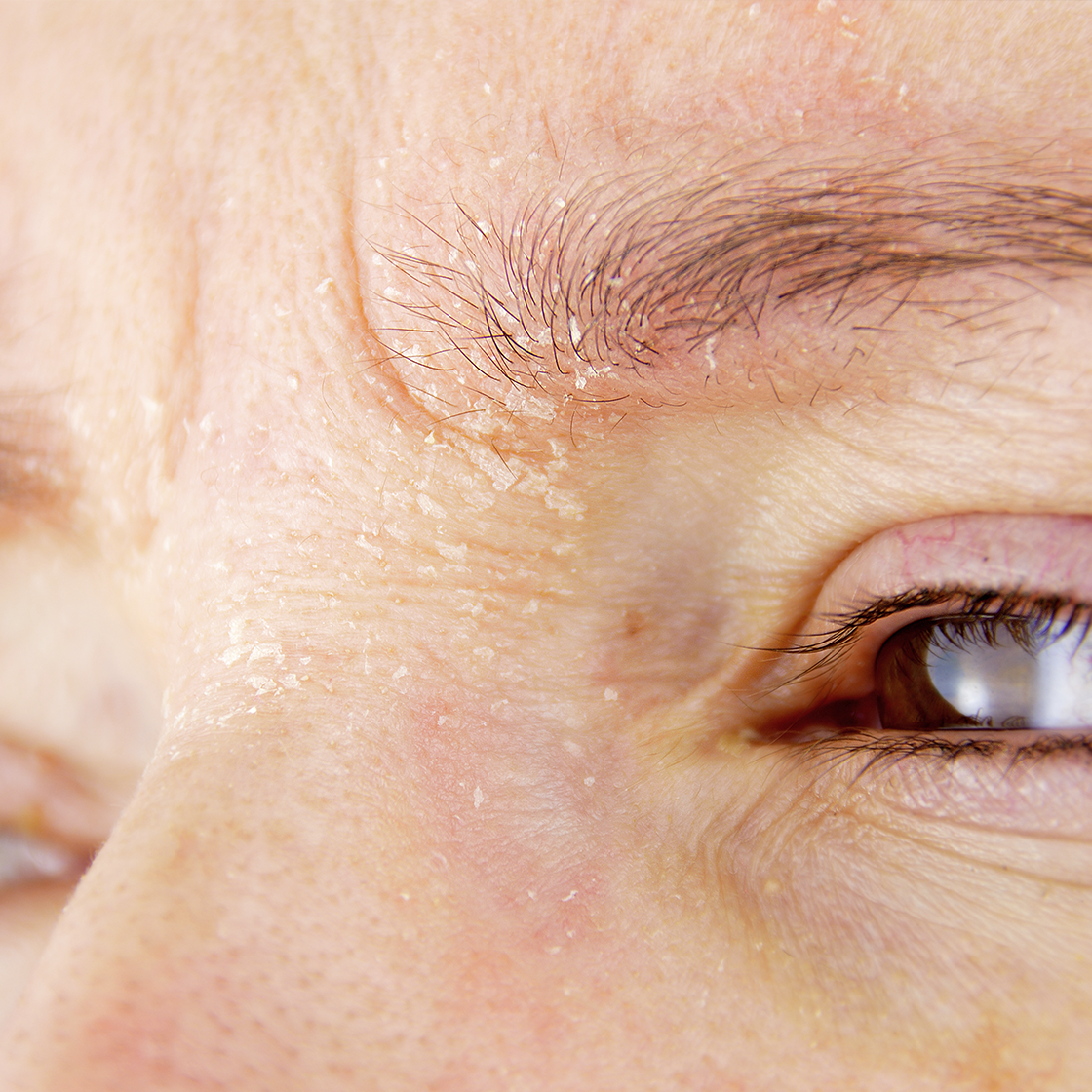
● Peeling or flakiness
● Redness or irritation
● Slight pain in delicate skin.
In case of persistence, reduce the concentration or reduce the frequency of use.
Precautions Before Applying Salicylic Acid
Before using Salicylic Acid, here are some cautions to be taken:
● It is better to always patch test and then apply new products.
● Do not use gross exfoliants such as glycolic acid or retinol with it without advice.
● Wear sunscreen everyday, because exfoliation makes one more sensitive to the sun.
● Avoid using during pregnancy or while breastfeeding. Consult with a dermatologist
Use safer products suggested by the dermatologist, such as Cetaphil.
Conclusion
Salicylic acid has always been one of the best skincare additives used in the treatment of oily skin and acne. Its special solubility in oil means that it can deeply penetrate, clear pores, control oil, and decrease breakouts.
An oily skin salicylic acid cleanser helps to maintain oiliness daily.
Salicylic acid lotion is used in treating acne on the body and in maintaining the pores.
When moisturizers and sunscreen are used properly, they will give maximum benefits with minimum irritation.
Even sensitive skin types will find it safe to use the salicylic acid products that are promoted by dermatologists, such as Cetaphil.
The Cetaphil AI Skin Analysis Tool is an application that allows you to find out what works best on you. Such an intelligent tool will provide you with custom suggestions that fit your specific skin type and concerns.
FAQs
What is the role of salicylic acid in treating acne?
Salicylic acid works by penetrating pores, dissolving sebum, and removing dead skin cells. This unclogging process prevents blackheads, whiteheads, and inflamed acne, making it one of the most effective solutions for oily and acne-prone skin.
Can salicylic acid be used daily on oily skin?
Yes, many people with oily skin can use salicylic acid daily, especially in cleanser form. However, start with 2-3 times weekly and gradually increase frequency, depending on skin tolerance and dermatologist advice.
Are there any specific products recommended for oily skin containing salicylic acid?
Yes, salicylic acid cleansers for oily skin and lotions are commonly recommended. Dermatologist-trusted brands like Cetaphil provide balanced formulas that cleanse effectively while maintaining skin hydration, making them ideal for daily use.
Does salicylic acid make the skin sun-sensitive?
Yes, since salicylic acid exfoliates the skin, it increases sun sensitivity. Always use a broad-spectrum sunscreen after applying salicylic acid products to protect against UV damage and prevent post-inflammatory hyperpigmentation.
Is it safe to use salicylic acid during pregnancy?
It depends on concentration and product type. Low-strength cleansers may be safe, but higher concentrations and oral salicylic acid should be avoided. Always consult a dermatologist before using any salicylic acid products during pregnancy.

Cetaphil Cleansers for Sensitive Skin

Gentle Skin Cleanser


