Why Sunscreen Is Just as Important in Winter as in Summer
Winter changes how people think about skin. The sun feels softer. Days look dull. Heat fades. Many assume skin can rest from protection for a few months. This idea sounds reasonable, yet skin does not work that way. Light still reaches exposed areas. Damage still builds, even when the air feels cold.
This comes up more often than expected when people notice uneven tone or dryness by the end of winter. They did not spend long hours outdoors. They did not feel sunburn. Still, the skin looks tired. The reason often traces back to skipped protection.
Sunscreen in winter matters for the same reason it matters in summer. Exposure adds up over time, not only during obvious sunny days.

The Hidden Risks of Winter Sun Exposure
Winter sun behaves differently. It sits lower in the sky. Light hits the face at sharper angles. Reflection from roads, glass, and snow increases exposure.
A few quiet factors increase risk during winter:
● UVA rays pass through clouds and windows
● Cold air weakens the skin barrier.
● Indoor heating dries the surface.
● Reflection increases exposure during walks or travel.
UVA rays affect skin texture, tone, and early aging. They remain present all year. This is why sunscreen for the winter season supports skin health beyond cosmetic concerns.
Winter SPF becomes relevant even on cloudy days. The skin does not register heat, yet radiation still reaches it.
Benefits of Using Sunscreen in Winter
Many expect sunscreen to feel heavy or uncomfortable in cold weather. This belief often comes from using the wrong texture. The benefits go beyond protection.
Using sunscreen in winter helps with:
● Preventing uneven pigmentation
● Reducing dryness linked to sun exposure
● Supporting barrier repair during cold months
● Limiting sensitivity caused by cold air
For people with dry or sensitive skin, sunscreen for winter for dry skin plays a dual role. It protects while supporting hydration. Best SPF for winter usually starts at SPF 30 for daily use.
People with darker skin tones also benefit. Pigmentation changes occur without visible redness. Protection reduces long-term tone issues.
Choosing the Right Sunscreen for Winter
Winter sunscreen choices feel different from summer picks. Skin often feels drier and more reactive. This changes what works.
Helpful points to consider:
● Cream or lotion textures suit dry conditions
● Broad-spectrum protection covers UVA and UVB.
● Sunscreen for winter for dry skin supports comfort.
● Lightweight formulas work for daily indoor exposure.
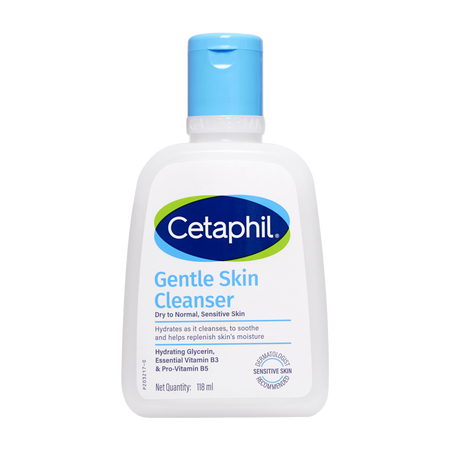
Winter sunscreen for dry skin should sit well under moisturizers. A sunscreen that peels or feels tight often gets skipped. Texture matters more than people expect. Around the middle of winter routines, many turn to familiar, dermatologist-backed options. Cetaphil offers daily sunscreen and moisturizing products that suit sensitive and dry skin types. This helps people find options that feel predictable without switching routines too often.
How to Incorporate Sunscreen into Your Winter Routine
Winter routines feel slower. People spend less time outdoors. This makes sunscreen easier to forget. Small habits help keep it consistent.
Simple ways sunscreen fits into winter skincare:
● Apply after moisturizer during morning routines
● Cover exposed areas like the neck and ears.
● Reapply during long outdoor exposure.
● Keep sunscreen near daily essentials.
People often skip reapplication in winter. This matters during travel, outdoor walks, or long commutes. Best SPF for winter works best when used consistently. For indoor days near windows, a single morning application often works well. UVA rays pass through glass. This detail surprises many.
Conclusion
Most baby skincare mistakes come from caring too much rather than too little. Parents want comfort. They want safety. Simplicity delivers both.
Gentle routines, limited products, and patience protect baby skin better than constant changes. Looking through these points early can make the process easier when you apply.
Common Myths About Sunscreen in Winter
Winter sunscreen myths persist because damage feels invisible. Clearing these helps routines feel simpler.
● Myth: Cold weather blocks UV rays
Cold air affects temperature, not radiation. UV exposure continues.
● Myth: Cloudy days remove the need for protection
Clouds block heat, not UVA rays.
● Myth: Sunscreen causes dryness in winter
Dryness often comes from skipping moisturizer or using harsh cleansers.
● Myth: Only outdoor activities need sunscreen
Daily exposure builds over time, even during short outings.
Damage feels gradual. Skin shows it later.
Conclusion
Winter skincare often feels quieter than summer routines. The sun does not feel harsh. Days look dull. Still, skin remains exposed. Sunscreen in winter supports skin comfort, tone, and long-term health. Looking through these points early can make the process easier when you apply.
FAQs

Yes. Ultraviolet rays affect skin throughout the year. Winter sun still causes damage, especially UVA exposure through clouds and windows.
SPF 30 works well for daily use. SPF 50 suits longer outdoor exposure. The best SPF for winter depends on the time spent outside and skin sensitivity.
Broad-spectrum sunscreen protects against UVA and UVB rays. Both types affect skin health in different ways.