Why Peptides Are a Safer Anti-Aging Option for Sensitive Skin
Sensitive skin ages in its own way. It reacts first, complains first, and often recovers last. In India, this feels even more familiar. Heat, dust, sun exposure, long commutes, hard water, and sudden weather shifts all leave their mark. For many people, fine lines appear alongside redness or dryness rather than smooth wrinkles. That creates a quiet frustration. Anti-aging advice often feels aggressive. Retinol, strong acids, frequent exfoliation, and sensitive skin do not always cooperate with those ideas. This is where peptides for skin enter the conversation. They do not promise instant change.
They work slowly, quietly, and with far less irritation. For people who hesitate before trying new actives, peptides for sensitive skin often feel like a safer place to begin. Anti-aging does not always need intensity. Sometimes it needs consistency.

What Are Peptides?
Peptides sound complicated, though the concept stays simple. Peptides are short chains of amino acids. Amino acids form proteins. Skin relies on proteins such as collagen and elastin for firmness, structure, and flexibility. As skin ages, protein production slows. Environmental stress speeds this process. In Indian conditions, sun exposure and pollution add extra pressure.
Peptides do not replace collagen. They support communication within the skin. Think of them as signals rather than fillers. They tell skin cells to behave as healthy skin should. This gentle signalling explains why peptides appear often in routines built for sensitive skin.
How Do Peptides Benefit Sensitive Skin?
Sensitive skin struggles with balance. Too much stimulation leads to redness or dryness. Too little care leads to dullness and early aging. Peptides help by supporting skin without disruption.
Their benefits include:
- Supporting firmness without peeling
- Strengthening the skin barrier
- Reducing the appearance of fine lines gradually
- Helping skin tolerate other products better
Many people notice texture changes before visible wrinkle changes. Skin feels calmer. Less tight. Less reactive. That matters more than instant results for sensitive skin types. This comes up more often than expected during consultations.
Why Peptides Are Safer for Sensitive Skin
Safety matters more than speed when skin reacts easily.
Peptides stand apart because they:
- Work at low concentrations
- Rarely triggers inflammation
- Do not thin the skin
- Do not increase sun sensitivity
- Support repair instead of forcing turnover
Unlike exfoliating acids or retinoids, peptides do not rely on irritation to produce results. They support natural processes already present in the skin. This also explains why dermatologists often suggest peptides during barrier repair phases or seasonal transitions. Even topics like sunscreen in winter connect here. Sensitive skin exposed to winter sun still accumulates damage. Peptides support recovery, while sunscreen limits further stress.
Choosing the Right Peptide Products for Your Skin Type
Peptides work best when the surrounding formula stays gentle.
When choosing peptide-based skincare, sensitive skin often benefits from:
- Simple ingredient lists
- Fragrance-free formulations
- Added hydration support
- Barrier-friendly textures
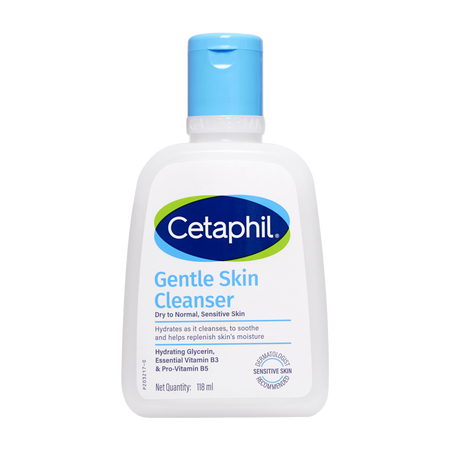
Heavy fragrances or strong preservatives can undermine peptide benefits. Sensitive skin reacts to formulation choices more than the peptide itself. Many dermatologists recommend brands like Cetaphil when discussing gentle cleansing and moisturization alongside peptides, not as treatment replacements but as routine stabilizers. This balance keeps skin calm enough for peptides to work steadily.
Effective Use of Peptides in Anti-Aging Skincare
Peptides do not require complex routines.
They usually fit well into:
- Morning routines under moisturizer
- Night routines focused on repair
- Recovery days between stronger activities
Some helpful habits include:
- Using peptides consistently rather than frequently
- Pairing peptides with hydration
- Avoiding unnecessary product layering
- Continuing sun protection daily
Yes, sunscreen in winter still plays a role here. UV exposure interferes with collagen support even when temperatures drop. Peptides help repair. Sunscreen helps prevent damage from repeating. People often expect tingling or warmth. Peptides rarely cause either. Calm skin often signals correct use.
Conclusion
Peptides for sensitive skin offer a quieter approach to anti-aging. They support the structure without stressing the barrier. They improve resilience without forcing turnover. For Indian skin exposed to sun, pollution, and unpredictable weather, this steady method often suits long-term care better. Looking through these points early can make the process easier when you apply.
FAQs

Peptides are amino acid chains that support skin communication. They help maintain firmness, improve texture, and support repair without irritation, making them useful for long-term skin health.
Yes. Peptides suit sensitive skin because they work gently and rarely cause redness, peeling, or stinging. They support repair rather than triggering inflammation.
Retinol works faster but often irritates sensitive skin. Peptides work slowly yet safely, improving firmness over time without barrier damage or increased sensitivity.