Anti-Aging Without Irritation: How Peptides Work Gently on Skin
Many people in India want anti-aging results, but fewer talk about what happens before those results appear. Redness. Stinging. Patchy dryness. Sudden breakouts. These reactions feel discouraging, especially skin already exposed to heat, humidity, pollution, and strong sunlight.
This comes up more often than expected. Someone tries an anti-aging product with hope, then stops after a week because the skin feels uncomfortable. Aging skin does not always need stronger products. Sometimes it needs calmer signals. That is where peptides enter the conversation. They do not rush their skin. They guide it. For people who want visible change without irritation, peptides offer a quieter path.

What are Peptides?
Peptides are short chains of amino acids. Amino acids form proteins. Proteins such as collagen and elastin give skin its structure and resilience. As skin ages, protein production slows. Environmental stress makes this process faster. In India, daily sun exposure and pollution increase this burden.
Peptides act like messengers. They signal skin to support natural repair and balance. They do not strip skin. They do not force rapid turnover. They remind skin how to behave like healthier skin. This gentle communication explains why peptides appear in routines designed for sensitive or reactive ski
How Peptides Benefit the Skin
The peptides' benefits for skin feel gradual but steady. Skin comfort improves before visible changes appear.
Some commonly noticed peptides for skin benefits include:
- Support for smoother skin texture
- Improved firmness over time
- Better hydration retention
- Reduced appearance of fine lines
- Improved tolerance to other products
Unlike harsh actives, peptides support the peptides for skin barrier by strengthening surface defenses. This matters for Indian skin that faces constant exposure to dust, heat, and outdoor activity. Results build quietly. Skin feels stable first. That stability creates space for visible improvement.
Why Peptides Are Ideal for Sensitive Skin
Sensitive skin reacts fast. Heat, friction, weather changes, or strong products can trigger discomfort.
Peptides suit this skin type because they work without disruption. They:
- Do not exfoliate
- Do not thin the skin surface
- Do not increase sun sensitivity
- Do not demand recovery time
This makes peptides suitable for people who experienced irritation from retinoids or acids. Even discussions around sunscreen in winter fit here. Sensitive skin requires sun protection year-round. Peptides do not increase photosensitivity, which reduces stress when managing daily routines.
Different Types of Peptides and Their Functions
Not all peptides serve the same role. Skincare formulas combine types based on purpose.
Common peptide groups include:
- Signal peptides: Encourage skin to support collagen and elastin production
- Carrier peptides: Help deliver minerals that support skin structure
- Enzyme-inhibiting peptides: Reduce breakdown of existing collagen
- Each type works quietly. No peeling. No visible downtime. This suits people who prefer consistency over dramatic change.
How to Incorporate Peptides into Your Skincare Routine
Peptides fit easily into daily routines.
They work well:
- In morning routines
- In evening routines
- Alongside moisturizers
- Under sunscreen
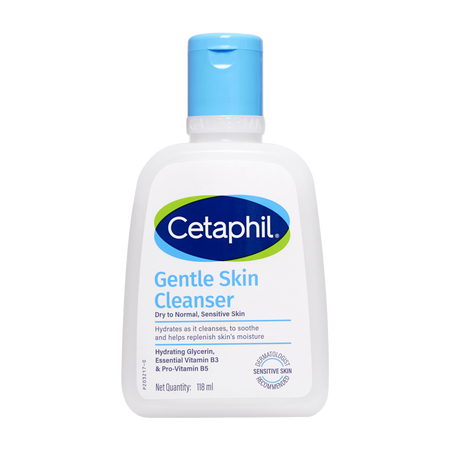
Many dermatology conversations include brands like Cetaphil when discussing gentle cleansing and moisturizing that support peptide use without stressing skin. Peptides also pair well with recovery-focused routines after exposure to sun, pollution, or travel. Even during cooler months, sunscreen in winter remains necessary. UV exposure continues regardless of temperature. Peptides support skin recovery but do not replace sun protection.
Comparing Peptides to Other Anti-Aging Ingredients
Many anti-aging ingredients rely on stimulation. Retinoids increase cell turnover. Acids exfoliate. Vitamin C brightens through active pathways. Peptides take a different route. They support rather than push.
Key differences include:
- Peptides focus on repair
- Retinoids focus on renewal
- Exfoliating acids such as AHA, BHA focus on resurfacing
For people who experienced discomfort from strong actives, peptides feel safer. They allow skin to improve without ongoing irritation. This matters for Indian skin that already handles environmental stress daily.
What to Look for in Peptide Skincare Products
Not every peptide formula suits every skin type. Labels matter.
Helpful pointers include:
- Simple ingredient lists
- Absence of a strong fragrance
- Balanced formulations with moisturizers
- Supportive barrier ingredients
People sometimes expect quick change. Peptides require patience. The payoff comes through comfort, resilience, and steady improvement. This calm approach supports long-term use, even alongside sunscreen in winter, which protects results year-round.
Conclusion
Anti-aging does not need to feel harsh. For people tired of irritation, peptides offer a steady option that respects skin limits. They support repairs. They strengthen the skin barrier. They suit sensitive skin without compromise. Looking through these points early can make the process easier when you apply.
FAQs

Peptides are short chains of amino acids that signal skin to support repair, firmness, and barrier strength without irritation or surface damage.
Peptides communicate with skin cells, encouraging natural protein support and repair processes rather than forcing rapid turnover or exfoliation.
Yes. Peptides support collagen and skin structure, which softens the appearance of fine lines over time through gradual improvement.