What Are Peptides in Skincare and How Do They Help with Anti-Aging?
If you take a close look at a skincare shelf today, peptides appear everywhere. Creams, serums, and lotions. The word sounds technical, almost clinical. Many people buy a product without knowing what peptides for skin do or why dermatologists keep mentioning them. This confusion feels familiar in India. Skin ages differently here. Heat, sun exposure, humidity, pollution, and uneven sleep patterns all leave marks early. Fine lines show up alongside pigmentation. Skin often looks tired before it looks old.
People ask whether peptides truly help or if they sit in the formula only for marketing. That question comes up more often than expected. The answer sits somewhere between science and patience. This guide explains peptides in skincare, how peptides work on skin, and why they appear so often in anti-aging routines that focus on long-term skin health rather than quick fixes.

What Are Peptides?
Peptides sound complex, yet they remain simple at the core. Peptides are short chains of amino acids. Amino acids act as building blocks of proteins. Skin relies on proteins like collagen and elastin to stay firm and flexible.
As skin ages, protein production slows. This slowdown shows as:
- Fine lines
- Sagging around the mouth or eyes
- Dull texture
- Reduced bounce
Peptides do not replace collagen. Instead, they send signals that support natural repair activity. Peptides guide. They do not force change overnight.
How Peptides Work in Skincare
Understanding how peptides work on skin removes much of the hype. When applied topically, peptides interact with skin cells and encourage specific responses. Different peptides target different functions. Some focus on firmness. Others support barrier strength. Some calm irritation is linked to aging.
In Indian skin, barrier stress appears early due to:
- High UV exposure
- Frequent cleansing
- Environmental pollution
- Seasonal dehydration
Peptides support the skin barrier. A healthier barrier reflects light better and reacts less to daily stress. This also explains why sunscreen in winter still matters when peptides enter a routine. Sun damage slows the repair signals that peptides try to support.
Benefits of Peptides for Anti-Aging
Peptides work quietly and results build slowly. Peptides are slow-paced and suit long-term anti-aging.
Key benefits include:
- Support for skin firmness
- Smoother texture over time
- Improved moisture retention
- Reduced appearance of fine lines
- Better tolerance for active routines
Unlike aggressive actives, peptides rarely trigger peeling or redness. This makes them suitable for Indian skin tones that show pigmentation after irritation. Many people notice that skin feels stronger before it looks different. That change often goes unnoticed at first.
Different Types of Peptides in Skincare Products
Not all peptides behave the same way.
Common peptide groups include:
- Signal peptides that encourage collagen-related activity
- Carrier peptides that help deliver minerals to the skin
- Peptides that help soften the appearance of expression lines
- Enzyme-inhibiting peptides that slow collagen breakdown
Products may combine multiple peptides. The blend matters more than concentration alone.
Dermatologists often prefer peptides for people who cannot tolerate strong exfoliation or retinoids yet want gradual improvement. This balance becomes useful during seasons when skin already feels sensitive.
How to Integrate Peptides into Your Skincare Routine
Peptides fit easily into most routines.
They usually sit well alongside:
- Cleansers
- Moisturizers
- Hydrating serums
- Sunscreens
Many dermatologists recommend peptides for barrier recovery nights when exfoliation stays paused.
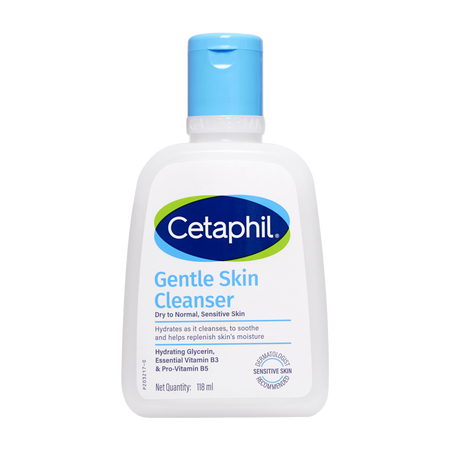
In discussions around barrier-friendly routines, Cetaphil often appears as a reference point for gentle cleansing and moisturization rather than aggressive treatment. This reference reflects clinical preference for consistency rather than intensity. People sometimes expect peptides to tingle or sting. That reaction rarely happens. Calm skin usually means correct use.
Potential Side Effects and Precautions
Peptides carry a low risk of irritation. Still, precautions matter.
Consider these points:
- Patch testing helps sensitive skin
- Overloading routines reduces benefit
- Pairing peptides with hydration supports comfort
- Consistent use matters more than frequency
Peptides rarely cause breakouts. When irritation appears, it often links to other actives in the routine rather than peptides themselves. Again, sunscreen in winter supports peptide performance. UV damage interferes with skin repair signals even during cooler months.
Conclusion
Peptides for skin work best as long-term partners rather than quick fixes. They support repair, resilience, and firmness without stressing the barrier. Indian skin benefits from this gentle, steady approach. Results take time. Consistency matters. Looking through these points early can make the process easier when you apply.
FAQs

Peptides suit most skin types, including sensitive and mature skin. They rarely trigger irritation and often support barrier health, which benefits reactive or pigmentation-prone skin.
Yes. Peptides pair well with many actives. Dermatologists often suggest using peptides during recovery nights when stronger ingredients rest.
Yes. Peptides pair well with many actives. Dermatologists often suggest using peptides during recovery nights when stronger ingredients rest.