What Is Gallic Acid and Why It’s Ideal for Day & Night Skincare
Indian skin lives through extremes. Morning sun that feels sharp until 9 am. Dust that settles even on short commutes. Air-conditioned offices followed by humid evenings. Over time, the skin starts showing signs that can be confusing. Dullness without dryness, uneven tone without obvious pigmentation, and sensitivity that appears without warning. Many people reach for strong activities when this happens. Sometimes that works. Often, it creates another problem.
This is where quieter ingredients start to matter. Gallic acid is one of them. It does not announce itself with tingling or peeling. It works more like background support. And for many people, that makes all the difference.

What is Gallic Acid?
Gallic acid is a naturally occurring antioxidant found in tea leaves, berries, grapes, and certain plants. In skincare, it helps reduce oxidative stress caused by pollution, UV exposure, and environmental damage.
People often confuse all acids with exfoliating ingredients. Gallic acid behaves differently.
It does not:
- Peel the skin
- Increase skin turnover aggressively
- Thin the outer skin layer
Instead, it supports the skin while helping it handle daily environmental stress more comfortably.
How Does Gallic Acid Benefit Skin Health?
Skin damage does not always show up as breakouts or pigmentation. Sometimes it shows up as skin that just feels tired. Makeup sits unevenly. Products stop feeling comfortable. The texture looks flat. Gallic acid benefits skin by working quietly in the background.
It helps by:
- Supporting skin against environmental stress
- Reducing oxidative damage linked to uneven tone
The results do not feel dramatic. That is intentional. Antioxidants work best when they do not overwhelm the skin. People expect instant brightness. What gallic acid offers instead is stability. Environmental exposure also plays a role here. Discussions around climate and skin-related environmental stress continue showing how pollution, UV exposure, and heat affect overall skin health over time.
Why Gallic Acid Is Suitable for Day Skincare
Daytime skincare in India is mostly about defense. Sun exposure is not seasonal here. Even cloudy days carry UV stress. Add traffic pollution, heat, and screen exposure, and the skin stays under pressure.
Gallic acid fits well into daytime routines because it does not increase sensitivity. It does not clash with sunscreen. It does not demand waiting periods.
During the day, gallic acid supports skin when used alongside:
- Moisturizers
- Sunscreen
- Lightweight serums
Using sunscreen in winter still matters in India. Ultraviolet (UV) exposure does not disappear with cooler weather. Gallic acid supports skin underneath by helping manage oxidative stress that sunscreen alone does not fully address. This makes routines feel easier, not heavier.
The Role of Gallic Acid in Night Skincare
Night routines often get overcomplicated. Too many steps. Skin reacts by feeling tight or irritated the next morning. Gallic acid works differently at night. It supports recovery without forcing renewal. That makes it useful for people whose skin feels sensitive after long days.
At night, gallic acid helps skin:
- Recover from daily environmental exposure
- Maintain barrier comfort
- Feel calmer by morning
It does not interfere with sleep cycles or hydration-focused products. That makes it easier to keep routines consistent, even on tired days.
How to Incorporate Gallic Acid into Your Skincare Routine
Gallic acid works best in routines that stay simple. It does not need layering tricks or strict timing.
Most people use it:
- In antioxidant serums
- In gentle daily formulations
- In routines that stay the same morning and night
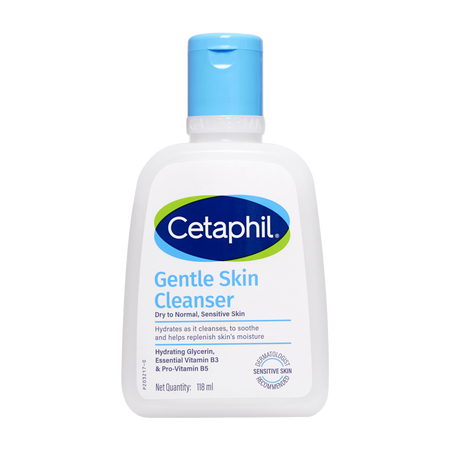
It pairs well with hydrating products and barrier-supportive moisturizers. Skincare conversations often reference brands like Cetaphil when discussing routines that focus on comfort and long-term skin health rather than quick fixes. The key point remains consistency. Gallic acid works gradually. Skipping days slows its effect.
Comparing Gallic Acid with Other Skincare Acids
Not all acids behave the same way. Some exfoliate. Some increase sensitivity before results appears.
Gallic acid does not do any of that.
Compared to exfoliating acids, gallic acid:
- Does not remove surface cells
- Does not increase photosensitivity
- Does not disrupt the skin barrier
This matters in Indian climates where overuse of strong actives often leads to redness, dryness, or rebound pigmentation. It also makes everyday habits like applying sunscreen in winter more comfortable since skin stays calm rather than reactive.
Conclusion
Gallic acid offers a steady, balanced approach to skincare. It supports skin against daily stress without pushing it into irritation. For people dealing with sun exposure, pollution, and sensitivity, this ingredient fits naturally into both morning and night routines.
In Indian conditions, where environmental pressure stays constant, skin benefits from ingredients that work quietly and consistently. Gallic acid does not promise instant change. What it offers instead is comfort, stability, and long-term skin support. Looking through these points early can make the process easier when you apply.
FAQs

Gallic acid offers antioxidant support without triggering irritation, making it suitable for daily use across seasons and skin types.
Most skin types tolerate gallic acid well since it does not exfoliate or disrupt the skin barrier.
Yes. Gallic acid is often used in routines designed for sensitive or reactive skin.