Peptides and Skin Barrier Health: Anti-Aging Without Compromising Comfort
In India, skin rarely gets a break. Heat, humidity, dust, pollution, and long daylight hours add up fast. Even in cooler months, UV exposure stays high. Many people follow anti-aging routines that promise visible change, only to notice tightness, redness, or uneven texture a few weeks later.
This experience feels familiar. Someone switches to an active-heavy routine, waits for results, and instead feels the skin becoming unpredictable. Makeup settles oddly; moisturizers sting, and breakouts appear in places that never caused trouble before. This pattern comes up more often than expected.
The issue usually is not effort. It is an imbalance. Skin works best when repair keeps pace with stress. When repair falls behind, aging signs look worse rather than better. That gap between ambition and comfort is where peptides fit naturally. Not as a shortcut but more as a steady support system for skin that already handles a lot.

What Are Peptides in Skincare?
Peptides are small chains of amino acids. Skin already uses amino acids to build proteins like collagen and elastin. Peptides work as messengers. They signal skin to support its own structure and recovery.
Unlike exfoliating acids or retinoids, peptides do not push skin into rapid change. They do not strip layers. They do not thin the surface over time. This matters for people whose skin reacts quickly. Peptide skincare suits routines focused on consistency rather than intensity.
People often expect anti-aging to feel active. Tingling becomes a sign of progress. Peptides challenged that idea. Skin can improve quietly, and this idea takes time to trust.
How Peptides Support the Skin Barrier
The skin barrier acts like a protective wall. It keeps moisture inside and blocks irritants outside. When this wall weakens, skin loses flexibility and comfort. Over time, skin feels steadier. In Indian climates, where sweating, frequent cleansing, and pollution stress the barrier daily, this support matters. Even sunscreen in winter can feel heavy or uncomfortable if the barrier underneath stays compromised. A stronger barrier makes every step in routine work better.
Why Peptides Are Essential for Anti-Aging Regimens
Aging does not show up only as wrinkles. It appears as a slower recovery, dullness, and uneven texture.
Peptides address aging differently. They focus on support rather than corrections.
Over time, many people notice:
- Lines soften gradually
- Texture looks more even
The benefits of peptides for skin appear quietly. There is no sudden shift. Instead, skin starts behaving better day to day. This suits people who prefer improvement that does not require frequent repair cycles.
Choosing the Right Peptide Skincare Products
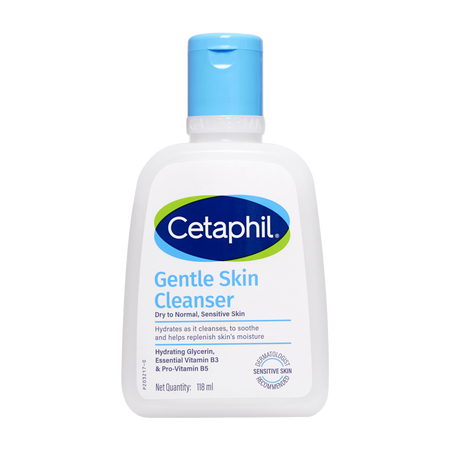
Comfort matters more than it gets credit for. Skin that feels stable tolerates makeup, sun exposure, and climate change better. Peptides help create baseline comfort. They do not fight skin. They work with it. This approach suits people who juggle office air conditioning, outdoor heat, travel, and inconsistent sleep. Skin routines should adapt to real life, not demand perfection. Many barrier-focused routines reference brands like Cetaphil when discussing gentle formulations that include peptides. The common theme stays simple. Support first. Improve steadily.
ncorporating Peptides into Your Skincare Routine
Peptides fit easily into existing routines. They do not demand special timing.
They work well with:
- Gentle cleansing
- Daily moisturizing
- Sun protection
Many people use peptides both morning and night without issues. That flexibility helps with routine fatigue.
Potential Side Effects and Considerations
Peptides rarely irritate. That said, reactions may still happen due to supporting ingredients. Patch testing remains useful, especially for sensitive skin. Peptides do not replace medical treatments or procedures. They support skin health over time. That expectation keeps routines realistic and frustration low. If skin feels overworked, peptides often feel relief rather than effort.
Conclusion
Anti-aging does not need to feel uncomfortable to be effective. Peptides show that visible improvement and daily comfort can exist together. By supporting the skin barrier, they help reduce signs of aging while keeping skin calm and resilient. In Indian climates, where heat, sun, pollution, and seasonal shifts challenge skin constantly, barrier health becomes essential. Peptides fit naturally into routines that value consistency over intensity. Looking through these points early can make the process easier when you apply.
FAQs

Peptide skincare products support skin firmness, hydration, and barrier strength, helping reduce visible aging signs without irritation or disruption to daily routines.
Peptides rarely cause side effects. Mild reactions may occur if combined with irritating ingredients, so patch testing remains helpful for sensitive skin.
Peptides work gently and support the skin barrier, while retinol may cause irritation, especially in sun-exposed or sensitive skin types.