Circadian Rhythm & Skin Health: How Timing Your Skincare Improves Results
Skin in India rarely gets a break. Heat, humidity, pollution, long screen hours, and irregular sleep patterns affect the skin almost every day. Many people follow skincare routines regularly and still feel disappointed because results stay inconsistent. This comes up more often than expected. Usually, the issue is not the product itself. Timing matters too.
Skin behaves differently during the morning and nighttime hours. It follows its own internal rhythm, much like sleep and digestion. Once people understand this pattern, routines start feeling less random and more effective. That is where circadian rhythm skin care quietly becomes important.

What is Circadian Rhythm and Its Impact on Skin?
Circadian rhythm is the body’s natural 24-hour cycle that affects sleep, hormones, energy levels, and skin behaviour. Skin follows this rhythm naturally throughout the day and night.
During the day, skin focuses more on protection. At night, it shifts toward repair and recovery. Information connected to circadian rhythm research explains how these biological cycles influence different body functions, including skin activity. Modern lifestyles often disrupt this rhythm:
- Late sleeping habits
- Indoor lighting exposure
- Stress and poor sleep
- Pollution and heat exposure
- Long screen time
How the Skin's Circadian Cycle Works
Skin changes behaviour throughout the day.
During the daytime:
- Oil production tends to rise
- Barrier protection becomes stronger
- Skin focuses on defense against pollution and UV rays
During nighttime:
- Repair activity increases
- Moisture loss becomes higher
- Skin may feel more sensitive
This explains why some products feel irritating at night but comfortable during daytime use. It also explains why hydrating products often feel more effective before sleep. Environmental exposure plays a role, too.
Why Timing is Crucial in Skincare Routines
Using the right ingredient at the wrong time can feel disappointing. Not harmful, just ineffective.
During the day, skin faces sunlight, heat, dust, and pollution. Protection matters more than correction. At night, skin becomes more receptive to ingredients that support repair. This does not mean routines need more steps. It means the same products can work better when used thoughtfully. For example, applying sunscreen in winter still matters during daytime, even when the sun feels mild. UV exposure remains present, especially in India. Skin protection does not take a seasonal holiday.
How to Align Your Skincare Routine with Your Circadian Rhythm
Circadian-based skincare sounds technical, but the routine itself stays simple.
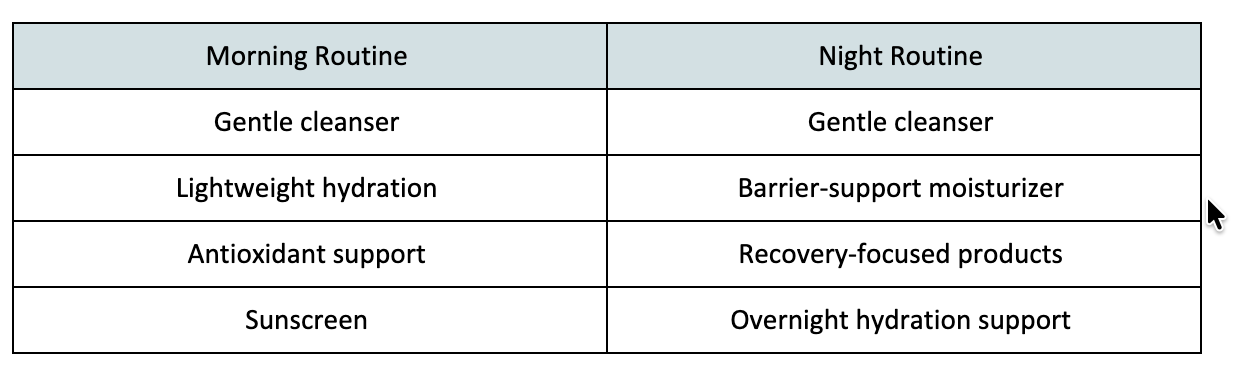
Use the Cetaphil AI Skin Analysis Tool for personalized product recommendations based on your skin type. It helps identify concerns like dryness, sensitivity, excess oil, and uneven texture, making it easier to build routines without unnecessary trial and error.
Potential Challenges and Solutions
Aligning skincare with circadian rhythm sounds simple until real life interferes.
Common challenges include:
- Late work hours
- Travel across time zones
- Inconsistent sleep schedules
The solution is not perfection. It is flexibility. If nights run late, a simple cleanse and hydration step still helps. If mornings feel rushed, sunscreen remains non-negotiable. Even brief routines support rhythm better than skipping altogether. People often feel relief when they stop chasing perfect routines.
Conclusion
Skin follows a rhythm, even when daily life feels chaotic. Circadian rhythm skin care works because it respects how skin naturally protects itself during the day and repairs itself at night. Aligning routines with this cycle does not require more products or complex steps. It requires awareness. For people living in Indian conditions, where environmental stress stays constant, timing often makes the difference between routines that feel tiring and routines that quietly work. Looking through these points early can make the process easier when you apply
FAQs

It is a routine that aligns skincare products with how skin naturally protects itself during the day and repairs itself at night.
Yes. Timing products correctly helps skin respond better without increasing irritation or complexity.
Disrupted rhythms slow repair and weaken the barrier, which can make aging signs appear sooner.