Why Dermatologists Recommend Using Both Cleanser & Lotion for Better Exfoliation
Exfoliation sounds simple until skin reacts. Some people exfoliate and see smooth skin the next day. Others notice redness, dryness, or that tight feeling that lasts longer than expected. This difference usually comes down to how exfoliation fits into the full routine, not the exfoliating step alone. Dermatologists often talk about exfoliation as a process rather than a single product. Cleanser and lotion work together in that process. One prepares the skin. The other helps it recover. When used thoughtfully, this pairing supports gentle exfoliation without pushing skin too far. People miss this sometimes. Exfoliation does not end when water rinses off the face.

The Role of Cleanser in Gentle Exfoliation
A cleanser sets the tone for everything that follows. When exfoliation begins at the cleansing stage, it tends to feel more controlled and predictable.
A gentle exfoliating cleanser works on the surface. It loosens dead skin cells and clears buildup that sits where makeup, sunscreen, and oil collect. This happens without leaving actives behind for long periods, which matters for sensitive or reactive skin.
Cleansers that support gentle exfoliation often share a few traits:
● Smooth texture rather than gritty particles
● Mild exfoliating agents rather than strong acids
● Easy rinse without residue
Cleansers do not aim to resurface skin deeply. Their job stays simple. They create a clean canvas. That makes later steps more effective and less irritating.
This approach becomes even more useful during exfoliation in winter, when skin already feels fragile due to cold air and indoor heating.
How Lotions Enhance the Exfoliation Process
Exfoliation does not stop once dead skin lifts away. Skin needs support after that point.
Lotions play a quiet role here. They help restore balance and comfort after exfoliation removes buildup. Without this step, skin often feels tight or looks dull rather than smooth.
A well-chosen lotion supports exfoliation by:
● Replacing lost moisture
● Softening skin texture
● Reducing the chance of irritation
This matters for anyone who exfoliates regularly. It matters even more for people who rely on gentle exfoliation as part of long-term skin care. Dermatologists often explain this with a simple idea. Exfoliation opens the door. Lotion helps close it again.
Benefits of Combining Cleanser and Lotion for Exfoliation
Using a cleanser alone may clear buildup, but the skin still needs recovery support. Using lotion alone without proper cleansing may trap dead skin on the surface.
Together, they create balance.
Benefits of this pairing include:
● Smoother texture with less irritation
● More even skin tone over time
● Better tolerance for exfoliation during colder months
● Reduced dryness during exfoliation in winter
This pairing suits people who want results without visible disruption. It also helps those who struggle with sensitivity yet still want exfoliation benefits.
This comes up more often than expected with people who exfoliate sporadically. Inconsistent routines tend to irritate skin more than steady, mild ones.
Choosing the Right Products for Your Skin Type
Skin type guides product choice more than trends or frequency rules.
For sensitive skin, a gentle exfoliator for sensitive skin works best when it stays predictable. Cleansers and lotions should feel familiar after use, not surprising.
General guidelines that dermatologists often share include:
● Sensitive skin prefers lower exfoliation strength
● Dry skin benefits from richer lotions after cleansing
● Oily skin still needs lotion after exfoliation
● Combination skin responds well to lighter layers
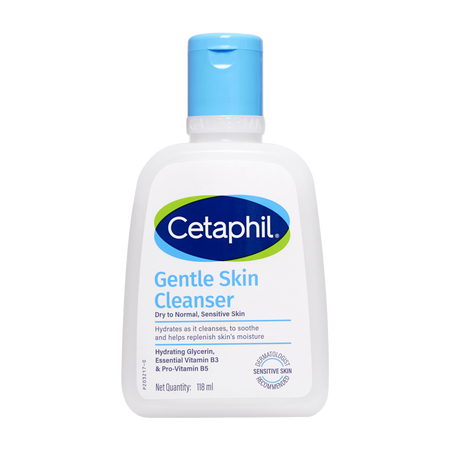
Midway through routine planning, many people look for formulas that feel steady and non-reactive. This often leads them toward dermatology-tested options such as the Cetaphil exfoliating cleanser, which focuses on surface exfoliation without aggressive action.
The appeal here lies in consistency rather than intensity.
Tips for Gentle Exfoliation
Gentle exfoliation depends more on habits than products.
A few practical points help keep exfoliation steady:
● Avoid mixing multiple exfoliating steps at once
● Reduce exfoliation frequency during the winter months
● Pay attention to the skin's feel several hours later
● Skip exfoliation when skin feels compromised
People often focus on how skin looks right after exfoliation. The better signal comes later in the day. Comfortable skin usually means the routine works.
Gentle exfoliation works best when it feels almost boring.
Conclusion
Dermatologists recommend using both cleanser and lotion for exfoliation because exfoliation does not work in isolation. Cleanser prepares the surface. Lotion supports recovery.
This balance allows gentle exfoliation to stay effective without creating irritation, dryness, or sensitivity over time. Looking through these points early can make the process easier when you apply.
FAQs

Gentle exfoliation removes buildup without damaging the skin barrier. This approach supports smoother texture and better product absorption while reducing irritation risk, especially for sensitive skin or during colder seasons.
A cleanser can support surface exfoliation, but recovery matters. Without lotion afterward, skin may feel tight or dry. Combining cleanser and lotion helps maintain balance and comfort.
Lotion should follow exfoliation every time. Even mild exfoliation affects moisture levels. Regular consideration helps skin recover and maintain softness between exfoliation sessions.