Winter Care for Babies: Why Mild Cleansing Is Even More Important
Winter changes how a baby's skin behaves. Parents often notice it quickly. Skin that looked fine in warmer months starts to feel rough, flaky, or tight. Sometimes redness appears in places that never reacted before. This surprises many people, especially first-time parents.
Baby skin care during winter needs a softer approach. Cold air outside, dry heat indoors, and frequent layering all affect how delicate skin holds moisture. Cleansing, which already plays a big role in newborn skin care, becomes even more important during colder months. What you use and how you use it can shape how comfortable your baby feels through winter.
People miss this sometimes. Winter skin issues do not always come from cold weather alone. Cleansing habits often sit at the center.

Understanding Baby Skin Care in Winter
Baby skin functions differently from adult skin all year, but winter magnifies those differences. The outer barrier stays thinner and loses moisture faster. Natural oils that protect the skin surface form slowly in infants. Cold weather slows this process further.
During winter, several factors work against newborn skin care:
● Low humidity pulls moisture from the skin
● Indoor heating dries the air
● Warm clothing increases friction
● Hot water increases moisture loss
Parents often respond by adding more baby skin products. That feels logical, but cleansing choices usually matter more than layering products. Harsh washing removes protective oils, but moisturizers can help. This comes up more often than expected during pediatric visits. Mild cleansing usually brings more relief than adding another cream.
Why Mild Cleansing Is Crucial for Baby Skin
Cleansing seems simple. Soap and water remove dirt. For baby skin, the process works differently. Every wash alters the skin surface. In winter, recovery takes longer.
Mild cleansing helps because it:
● Removes dirt without stripping oils
● Preserves the skin’s natural pH
● Reduces post-bath tightness
● Limits irritation in skin folds
Regular soaps often remove too much oil too fast. Baby skin does not replace that oil easily, especially in winter. This leads to dryness that no lotion fully fixes. Newborn skin care products labeled as mild usually avoid strong surfactants and fragrances. Less foam often means less disruption. That feels unusual to adults, but it suits baby skin better.
Parents sometimes worry that gentle cleansers will not clean well enough. In reality, baby skin does not need aggressive cleansing. Milk residue, sweat, and surface dirt wash away easily.
Selecting the Right Products for Mild Cleansing
Choosing baby skin products during winter can feel overwhelming. Labels look similar. Claims repeat. Dermatologists usually suggest focusing on formulation rather than marketing language.
For winter baby skin care routine choices, mild cleansers often share these traits:
● Short ingredient lists
● No added fragrance or dyes
● Neutral or slightly acidic pH
● Clear labeling for infant or newborn use
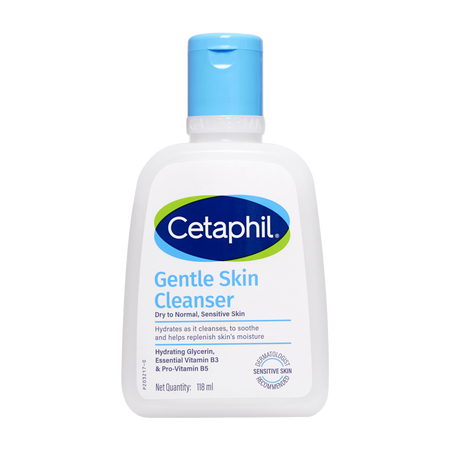
Texture matters less than people think. Soap bars and liquid cleansers both work if the formula stays mild. Bars sometimes rinse cleaner and leave less residue on the skin. Midway through many conversations about the best newborn skin care products, Cetaphil comes up as an example of gentle formulations developed for sensitive skin. Browse our collection here. Dermatologists favor predictable formulas that do not overwhelm developing skin. Another point parents overlook involves frequency. Using mild products too often can still dry the skin. Even gentle cleansing needs balance.
How to Properly Cleanse Baby Skin in Winter
Technique matters as much as product choice. Winter calls for small adjustments that make a big difference.
A practical winter baby skin care routine often includes:
● Short baths rather than long soaks
● Lukewarm water instead of hot
● Gentle hand washing instead of cloth scrubbing
● Pat drying rather than rubbing
People often increase the water temperature during winter. That feels comforting, but hot water removes oils quickly. Lukewarm water cleans effectively without stressing the skin.
Cleansing does not need to cover the entire body every time. Areas like the diaper region, neck folds, and hands usually need more frequent attention. Other areas can wait. After cleansing, a light moisturizer helps seal in moisture. This works best when applied soon after pat drying, while the skin still holds some water.
Additional Winter Skin Care Tips for Babies
Mild cleansing works best when paired with supportive habits. Winter baby skincare tips often focus on what happens outside the bath.
Helpful practices include:
● Using a humidifier indoors
● Dressing babies in soft, breathable fabrics
● Avoiding tight layers that rub the skin
● Changing wet clothing quickly
Over-washing often causes more problems than under-washing in winter. Parents sometimes bathe daily to keep babies comfortable. In colder months, two or three baths per week usually work better unless there is a visible mess. Another overlooked factor involves products used by caregivers. Fragrance from adult lotions or detergents transfers easily to the baby's skin through contact. Keeping baby skin care simple helps the skin stay calm during seasonal stress.
Conclusion
Winter places extra strain on a baby's skin, even when it looks healthy on the surface. Mild cleansing supports the skin barrier during a time when moisture loss happens quickly, and recovery slows down. Gentle choices around cleansing often prevent dryness before it starts. They reduce irritation, support comfort, and make other baby skin products work better.
Looking through these points early can make the process easier when you apply.
FAQs

Regular soap often removes natural oils too quickly frombaby'sy skin. In winter, this leads to dryness, tightness, and irritation that may worsen over time. Baby skin lacks the ability to recover moisture fast, which increases the risk of redness and discomfort after repeated use.
During winter, bathing two or three times a week usually works well for most babies. Daily bathing often increases dryness unless medically advised. Focus on spot cleaning between baths to maintain hygiene without stressing the skin barrier.
Signs include redness, rough patches, flaking, tightness after bathing, and increased fussiness when clothing touches the skin. These symptoms often appear on cheeks, arms, legs, or skin folds and signal that cleansing or bathing habits may need adjustment.