Can People With Sensitive Skin Exfoliate Daily? Dermatologist Insights Explained
Exfoliation brings mixed feelings for people with sensitive skin. On one hand, a smoother texture and clearer tone sound appealing. On the other hand, redness, tightness, or stinging often follow even mild attempts. This question comes up more often than expected, especially when people prepare for events where skin appearance matters, such as weddings or long photo days.
Sensitive skin does not behave the same way every day. Weather, stress, sleep, and product layering all influence how it responds. Because of that, exfoliation for sensitive skin requires more thought than simple frequency rules. Daily exfoliation sounds neat in theory, but skin biology rarely works that way.
This guide breaks down how exfoliation works, how sensitive skin reacts, and whether daily exfoliation fits into a realistic routine. The goal stays simple. Clear answers without pressure.

What is Exfoliation and Why is it Important?
Skin renews itself through a slow cycle. Dead skin cells rise to the surface, then shed over time. Exfoliation supports this natural process when skin needs help letting go of buildup. Without exfoliation, skin may feel dull or uneven. Makeup sits unevenly. Moisturizer absorbs less well. This matters for everyday care and even more during skincare phases, when skin appearance becomes a focus for many weeks. Exfoliation helps with:
- Surface smoothness
- More even light reflection
- Better absorption of basic skincare
Exfoliation does not exist to scrub skin clean.
It exists to support what skin already tries to do on its own.
How Does Sensitive Skin React to Exfoliation?
Sensitive skin responds faster and louder than other skin types. A product that feels mild to one person may cause burning or flushing for another. This happens because sensitive skin often has a weaker protective barrier. When exfoliation removes too much at once, the barrier struggles to recover. Common reactions include:
- Redness that lasts beyond a few minutes
- Warm or stinging sensation
- Tightness that appears hours later
- Sudden dryness or flaky patches
This does not mean exfoliation must disappear from sensitive routines. It means the approach must change. Skincare routines often reveal this issue. Skin that tolerates weekly exfoliation may react when frequency increases close to events.
What is Gentle Exfoliation?
Gentle exfoliation focuses on support rather than removal. It works with the skin instead of forcing change. A gentle exfoliating cleanser or formula usually avoids harsh abrasives and relies on milder exfoliating agents. The texture feels smooth, not gritty. Rinse-off products tend to feel calmer than leave-on exfoliants for many people. Gentle exfoliation often includes:
- Low-strength exfoliating acids
- Enzyme-based exfoliation
- Soft cleansing bases
People sometimes confuse gentle exfoliation with no exfoliation. The difference lies in pacing and restraint.
Can People with Sensitive Skin Exfoliate Daily?
The short answer feels unsatisfying. Sometimes yes, most times no. Daily exfoliation works only when exfoliation strength stays extremely mild and skin tolerance remains stable. Even then, daily use may work for a short period rather than long-term.
- Daily exfoliation may suit sensitive skin when:
- Exfoliation strength stays very low
- Skin barrier feels stable
- No redness or warmth appears
- Hydration stays consistent
Daily exfoliation does not suit sensitive skin when:
- Skin shows frequent flushing
- The weather remains dry or cold
- Active treatments exist in the routine
- Skin feels tight after cleansing
Skincare plans often push routines harder than skin prefers. This creates problems close to the event. Less frequent exfoliation usually delivers better results over time.
What Types of Exfoliation Are Suitable for Sensitive Skin?
Sensitive skin responds best to exfoliation that feels invisible rather than active. Suitable options often include:
- Gentle exfoliating cleanser used occasionally
- Enzyme exfoliation with short contact time
- Very low-strength chemical exfoliation
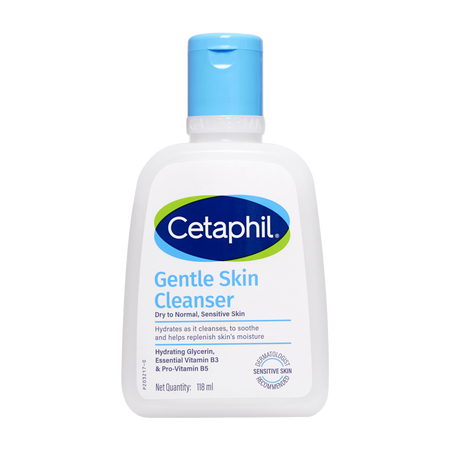
Physical scrubs with rough particles tend to cause micro-irritation. Strong acids create faster reactions. Many dermatologists recommend starting with cleanser-based exfoliation rather than leave-on products. During a skincare phase, routines often simplify. This allows skin to remain calm while still receiving light exfoliation benefits. Midway through routine planning, some people lean toward dermatology-backed brands like Cetaphil because formulations often prioritize barrier comfort. This fits sensitive skin routines that need predictability rather than intensity.
How to Incorporate Gentle Exfoliation Into Daily Routine
Daily routine does not require daily exfoliation. This distinction matters. Gentle exfoliation fits best when treated as a flexible tool rather than a fixed step. A balanced approach may look like:
- Exfoliation is used a few times per week
- Increased spacing during colder seasons
- Reduced frequency during stress or travel
Sensitive skin responds well to observation. When skin looks calm, exfoliation may stay consistent. When redness appears, exfoliation pauses. This approach supports sensitive skincare timelines better than rigid schedules.
When to Avoid Exfoliating Sensitive Skin
There are moments when exfoliation causes more harm than benefit. Exfoliation should pause when:
- Skin shows redness that lasts for hours
- Active breakouts feel inflamed
- Sun exposure increases
- Skin barrier feels compromised
People often ignore early warning signs. This leads to delayed irritation that appears days later. During wedding skincare phases, this becomes risky. Skin rarely recovers on demand.
Benefits of Gentle Exfoliation for Sensitive Skin
When done carefully, gentle exfoliation offers steady improvements without drama. Benefits include:
- Smoother texture
- More even tone
- Improved makeup application
- Reduced buildup
The key lies in consistency without excess. Gentle exfoliation supports long-term skin comfort better than aggressive cycles. Sensitive skin thrives on routines that feel boring. Boring routines work.
Conclusion
Sensitive skin does not reject exfoliation. It rejects pressure. Daily exfoliation remains unnecessary for most people with sensitive skin. Gentle exfoliation used with patience delivers better results and fewer setbacks. Skincare routines benefit from restraint. Calm skin photographs better than skin pushed too hard. Looking through these points early can make the process easier when you apply.
FAQs

Redness that lasts for hours, burning sensation, tightness after cleansing, and sudden dryness suggest poor tolerance. Sensitive skin often signals discomfort quickly. These signs suggest a need to reduce exfoliation frequency.
Immediate stinging, warmth, or patchy redness suggests excess strength. Products that leave skin tight rather than smooth often disrupt the barrier. Gentle exfoliants should feel neutral during and after use.
Low-strength acids, enzymes, and cleanser-based exfoliation suit sensitive skin better. Avoid rough particles or high acid percentages. Simple formulas reduce reaction risk and allow better tolerance.