Winter Moisturizers: How to Beat Dryness in Cold Weather
Cold weather changes skin behavior in ways people often underestimate. One day, the skin feels fine. Next, it feels tight, dull, or uneven. This shift rarely happens overnight. It builds slowly through cold air, indoor heating, and longer gaps between hydration.
Winter moisturizers are essential because skin loses water more rapidly during colder months. Oil production can rise or fall without warning. People with dry skin feel it first, but combination and sensitive skin notice changes too. This comes up more often than expected.
The goal during winter stays simple: reduce water loss, support the skin barrier. Avoid products that strip more than they help.

What Makes a Moisturizer Suitable for Winter?
Not every moisturizer works once temperatures drop. A lotion that feels perfect in summer can feel thin and ineffective by December.
Winter moisturizers tend to share a few traits:
● Thicker textures that slow water loss
● Ingredients that support barrier repair
● Formulas that sit comfortably under layers
A winter face moisturizer should feel protective without leaving residue. That balance matters more than texture alone. People miss this sometimes. Heavier does not always mean better.
Essential Ingredients in Winter Moisturizers
Ingredient lists grow longer every year, but winter skin needs stay consistent. Certain ingredients show up often for good reason.
Common winter-friendly components include:
● Humectants that pull moisture into the skin
● Occlusives that seal hydration
● Barrier helpers that reduce irritation
The best moisturizer for dry skin in winter usually combines these rather than relying on one type. Sensitive skin types benefit when formulas avoid unnecessary fragrance. Combination skin often prefers lighter occlusives layered properly.
Best Practices for Applying Moisturizers in Winter
Application habits matter as much as product choice. Skin responds best to timing rather than quantity.
A few habits that help during colder months:
● Apply moisturizer to damp skin
● Use gentle pressure rather than rubbing
● Layer lightly rather than overloading
This approach suits both dry and combination skin. It also reduces pilling under makeup or sunscreen in winter. Yes, sunscreen in winter still matters. UV exposure does not pause with cold weather. This catches many people off guard.
How to Choose the Right Winter Moisturizer for Your Skin Type
Skin type still guides decisions, even when seasons change.
● Dry skin often benefits from richer creams
● Combination skin needs balance across zones
● Sensitive skin reacts better to minimal formulas
A winter moisturizer for combination skin should hydrate dry areas without overwhelming oil-prone zones. This balance takes trial, not shortcuts. For sensitive skin, the best winter moisturizer usually focuses on comfort over quick results.
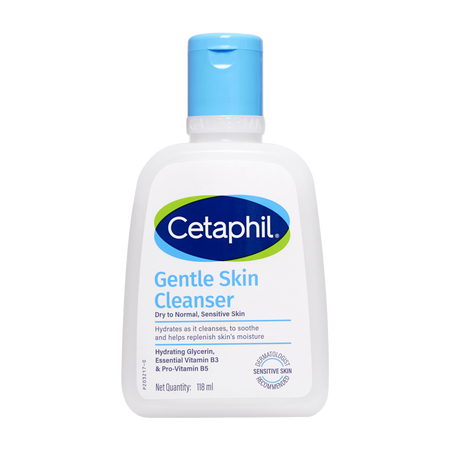
Midway through winter skincare conversations, Cetaphil often appears when people discuss barrier-friendly routines that feel predictable rather than reactive.
Consistency tends to matter more than switching products often.
High-Rated Winter Moisturizers on the Market
People often search for the best moisturizer for winter based on reviews alone. Reviews help, but context matters.
What works well often shares these traits:
● Non-greasy finish
● Comfortable wear through heating exposure
● No stinging on application
The best winter moisturizer for sensitive skin usually earns praise for what it does not do rather than for dramatic effects. The same logic applies to body care. Facial skin just shows discomfort faster.
Addressing Special Winter Skincare Concerns
Winter brings specific issues beyond dryness.
Common concerns include:
● Patchy texture around cheeks
● Breakouts from heavier products
● Redness after cleansing
Exfoliation frequency often needs adjustment. Skin sheds more slowly during winter. Overdoing exfoliation worsens dryness. Another overlooked area involves applying sunscreen in winter. Many skip it, assuming clouds block damage. UV exposure continues year-round, especially at higher altitudes or reflective surfaces. Pairing moisturizer with sunscreen in winter helps protect skin from both dehydration and UV stress.
Conclusion
Winter demands extra care when it comes to baby skin. Mild cleansing plays a bigger role than many people expect, especially when routines shift across households.
A gentle cleansing bar supports consistency, reduces irritation, and helps co-parents stay aligned. Baby skin responds best when products stay predictable, and routines feel familiar.
Looking through these points early can make the process easier when you apply.
FAQs

Most people benefit from twice-daily application during winter. Some skin types need light reapplication midday. Skin comfort rather than strict schedules usually guides frequency.
Often yes. Summer formulas may feel too light once temperatures drop. Winter moisturizers provide stronger barrier support, which helps reduce moisture loss.
Some people can, but facial skin often needs lighter textures. Body skin tolerates thicker formulas better during the winter months.