Pollution-Proof Your Skin: Daily Habits + Cleanser Choices That Help
Living with pollution feels normal now: traffic haze and construction dust. Smoke that lingers longer than it should. Skin sits right in the middle of all this, every day, without much protection beyond what people apply at home. Many notice dullness first and then clogged pores. Sometimes breakouts appear without a clear reason. Pollution adds up in quiet ways.
This does not mean drastic routines or complicated rules. Small habits matter more than dramatic fixes. Cleanser choices matter too. When daily cleansing lines up with real exposure, skin copes better over time. This guide looks at how pollution affects skin, what habits help reduce its impact, and how choosing the right face cleanser makes a difference across skin types.

Impact of Pollution on Skin Health
Pollution particles stay small enough to settle into pores. They mix with oil and sweat and stick to the skin surface. Over time, this layer interferes with how skin sheds cells and balances oil.
Some common signs linked to pollution exposure include:
● Skin that looks tired even after rest
● Pores that clog more often
● Increased oil in a humid area
● Dry patches in colder seasons
● Sensitivity that appears without warning
This comes up more often than expected in cities with mixed climates. Pollution exposure stays high while weather shifts push skin in opposite directions.
Pollution does not affect everyone the same way. Skin type plays a role. Oily skin traps particles more easily. Dry skin struggles with barrier damage faster. Combination skin shows both at once.
Daily Habits to Protect Your Skin from Pollution
Daily habits do not need a structure that feels rigid. They need consistency. Pollution protection works best when habits stay simple and repeatable.
Some habits that support skin through polluted days include:
● Washing the face after long outdoor exposure
● Avoid touching your face during commutes
● Changing pillowcases more often
● Removing makeup before sleep every night
● Drinking water at steady intervals
This sounds basic. It works because pollution damage builds slowly. Daily removal matters more than occasional deep care. Another habit people skip involves sunscreen in winter. UV exposure continues even when the sun feels weak. Pollution added with UV stress, which breaks down the skin barrier faster. Using sunscreen in winter helps reduce this combined strain. It also limits dark spots that appear later.
Choosing the Right Cleansers for Pollution Protection
Cleansers do more than remove visible dirt. They decide how much oil stays. How much moisture remains? How calm the skin feels afterward. Not all cleansers work the same way. Choosing one depends on skin type and exposure level.
For oily skin
A cleanser for oily skin works best when it removes excess oil without stripping everything. Many prefer a salicylic acid cleanser because it clears pores while controlling buildup. This helps reduce congestion that pollution worsens.
For dry skin
A cleanser for dry skin focuses on comfort after rinsing. Harsh formulas leave skin tight and itchy. Mild cleansers help remove particles without damaging the moisture barrier.
For mixed skin
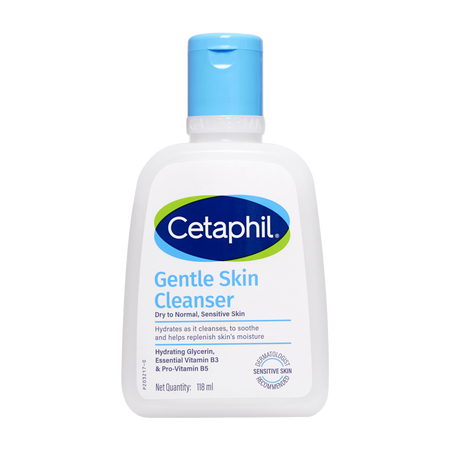
A balanced face cleanser suits people who feel oily by afternoon and dry by evening. Pollution affects these areas differently. Gentle formulas work best here. Cleansers should rinse clean. Residue traps particles. Fragrance and strong foaming agents add stress. This mention reflects general familiarity rather than promotion. Dermatology guidance often centers on tolerance rather than trends.
How to Effectively Cleanse Your Skin
Cleansing works best when timing and technique stay realistic. Overwashing irritates. Undercleansing allows buildup.
Some practical points that help:
● Cleanse at night after pollution exposure
● Use lukewarm water
● Apply cleanser with hands rather than tools
● Rinse thoroughly around the hairline and jaw
● Pat skin dry rather than rubbing
People ask if morning cleansing matters. In polluted areas, it helps remove overnight oil and residue. Night cleansing matters more because pollution accumulates during the day.
This is also where sunscreen in winter matters again. Removing sunscreen residue prevents buildup that clogs pores. Cleanser choice should handle sunscreen removal without aggressive scrubbing.
Conclusion
Pollution affects skin in ways that do not always show up right away. Small daily habits reduce long-term damage. Cleanser choices shape how skin responds over time.
Matching cleansers to skin type helps remove particles without disrupting balance. Supporting habits like consistent cleansing and sunscreen in winter reduces stress on the skin barrier.
Looking through these points early can make the process easier when you apply.
FAQs

Pollution particles settle on the skin surface and mix with oil and sweat. This leads to clogged pores, uneven texture, and irritation. Over time, pollution weakens the skin barrier, which increases sensitivity and dryness, especially in urban environments with constant exposure.
Night cleansing matters most because pollution exposure builds during the day. Morning cleansing also helps remove oil and residue from sleep. Together, both sessions help limit buildup and reduce the chance of clogged pores.
Hydrated skin maintains a stronger barrier. This barrier limits how deeply pollutants penetrate. When skin stays dry, cracks form more easily, which allows particles to settle and irritation to increase.