How to Layer Skincare and Makeup for a Long-Lasting Bridal Glow
Wedding prep often looks calm on paper. In reality, it moves fast. Skin reacts to that pace more than people expect. Late nights, early mornings, travel, stress, and excitement all show up on the face in subtle ways. That is why bridal skincare works best when it blends smoothly into makeup, rather than sitting beside it as a separate task.
A long-lasting bridal glow does not come from piling products or chasing trends. It comes from skin that feels steady, familiar, and supported before makeup ever touches it. When skincare and makeup work together, touch-ups reduce, texture softens, and the face holds up better through long hours. This guide walks through how to layer skincare and makeup in a way that respects skin rather than forcing results.

The Basics of Bridal Skincare
Bridal skincare sounds dramatic, but the foundation stays simple. Skin likes rhythm. It responds better to consistency than intensity. Many wedding skincare routines fail because people assume more effort equals better results. This comes up more often than expected. Skin often reacts the opposite way when overwhelmed.
A steady bridal skincare approach usually focuses on:
● Comfort rather than correction
● Familiar textures rather than new experiments
● Calm skin rather than instant brightness
Pre-bride skin care works best when it avoids sudden changes close to the wedding date. Introducing new acids, peels, or treatments can cause dryness or breakouts that linger longer than expected.
This applies across age groups. Whether someone is in their twenties or sixties, skin responds best when routines feel predictable. Bridal skin care products should support the skin barrier, not challenge it. When skin feels balanced, makeup applies evenly and stays intact longer.
Pre-Makeup Skincare Steps for a Flawless Base
Before makeup begins, skin needs time to settle. This part often gets rushed during wedding mornings, even though it sets the tone for everything that follows. A thoughtful pre-makeup skincare phase helps makeup behave better throughout the day.
Common elements include:
● Gentle cleansing Cleansing removes overnight oils and residue without stripping moisture. Skin that feels tight often produces oil faster under makeup.
● Hydration that absorbs fully Hydration smooths texture and softens dry areas that the foundation can cling to. Even oily skin benefits here.
● Moisturizer in a controlled amount Too much can cause slipping. Too little can lead to patching. Balance matters.
● Sun protection during daytime events ,Weddings often involve daylight exposure, even indoors. Skin reacts to light more than people realize.
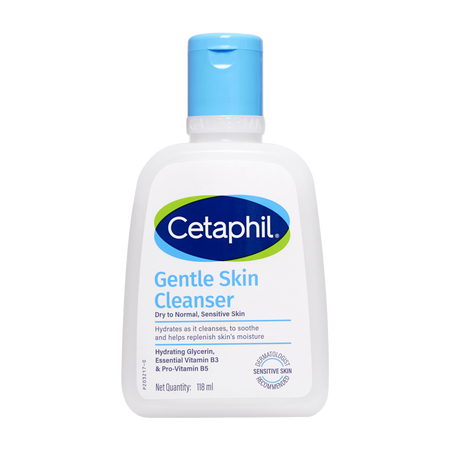
Skincare needs a few quiet minutes before makeup starts. That pause allows layers to settle and prevents base products from shifting. Many brides follow the same skin care routine for the bride-to-be during practice days and the wedding morning. Familiarity reduces stress for both the skin and the person applying makeup. Midway through prep, some people rely on dermatologist-discussed brands like Cetaphil because their formulations often focus on barrier comfort rather than quick fixes. This fits well into wedding skincare routines that prioritize calm skin.
Layering Makeup for a Bridal Glow
Makeup layering works best when the skin does not resist it. A bridal glow is less about shine and more about how evenly light reflects off the face.
When skincare supports makeup, the base looks smoother without extra coverage.
Some practical observations that help:
● Thin layers last longer than thick ones
● Pressing makeup into the skin disrupts skincare less than dragging
● Cream-based products often blend more naturally over hydrated skin
The wedding skincare routine and makeup need to move at the same pace. When makeup rushes ahead of skincare, separation appears faster.
For oily skin, blotting between layers often works better than adding powder early. Powder performs best once oils start to show, not before.
For dry or sensitive skin, excessive powder can flatten the face and highlight lines. A lighter approach keeps skin looking natural in photos.
These details count as skin care tips for wedding days, even though they happen during makeup application.
Incorporating Skincare into Evening Makeup Removal
After the wedding events wind down, the skin usually feels tired. Makeup removal becomes part of bridal skincare, even though it often feels like an afterthought. Late nights make people want to skip this step. Skin remembers when that happens.
A gentle evening routine supports recovery:
● Makeup removal without harsh rubbing
● Cleansing that leaves skin comfortable
● Moisturizer that supports overnight repair
Skipping removal can lead to clogged pores or irritation that appears days later. This surprises many people who assume the wedding day ends skincare responsibilities. Wedding skincare continues after the final event, even if it feels less visible.
Conclusion
A long-lasting bridal glow comes from cooperation, not control. When skincare and makeup work together, skin looks calmer, makeup lasts longer, and touch-ups become simpler.
Bridal skincare works best when it respects the skin’s natural rhythm rather than forcing results. Familiar routines, gentle layering, and realistic timing help skin stay steady through long celebrations. Looking through these points early can make the process easier when you apply.
FAQs

Focus on cleansing, hydration, and regular moisturization. Skin responds best to routines used consistently over time. Avoid adding new treatments close to the wedding, since reactions often appear when skin feels stressed or overloaded.
Sunscreen protects skin from UV exposure during daytime events and photo sessions. Even indoor light near windows affects skin. Regular use helps maintain even tone and reduces redness that makeup may struggle to conceal later.
Blotting between skincare and makeup layers helps control oil better than heavy powder early on. Lightweight hydration keeps skin balanced, since dehydrated skin often produces more oil under makeup pressure.