Why Retinol Is Not for Everyone - and How Peptides Offer a Better Alternative
Retinol has almost become a default answer to aging skin concerns. Ask a friend. Scroll online, or visit a dermatologist; retinol shows up fast. Yet many people quietly step away from it after trying, stopping, and trying again.
This pattern feels familiar across India. Skin already handles heat, dust, pollution, long commutes, and sudden weather shifts. Add retinol to that mix, and irritation often follows. Red patches appear. Dryness settles in around the mouth. Makeup stops behaving. People start questioning their routine.
This comes up more often than expected. Retinol works, but it does not work for everyone. For many, the search begins for a gentler option that still supports aging skin without daily discomfort. That is where peptides start to make sense.

What Is Retinol and How Does It Work?
Retinol belongs to the vitamin A family. It encourages skin to renew itself faster. Old cells shed sooner. New cells rise more quickly. Over time, this process softens fine lines and improves uneven texture. On paper, this sounds simple. On skin, it often feels less so.
During early use, people commonly notice:
- Tightness after washing
- Flaking near the nose or chin
- Redness that lingers
- Increased sensitivity to sunlight
Retinol demands consistency and patience. Many routines break down during travel, festivals, work stress, or illness. Skin does not always get time to adapt.
In Indian conditions, where heat and humidity already weaken the barrier, retinol reactions tend to feel stronger. Even conversations around sunscreen in winter exist because skin remains exposed year-round, not just in summer. This explains why many begin searching for retinol alternatives rather than pushing through irritation.
Why Retinol Might Not Be Suitable for Everyone
Retinol suits certain skin types and lifestyles. It does not suit all.
Some common situations where retinol struggles include:
- Sensitive or reactive skin
- Existing dryness or eczema
- Acne-prone skin under treatment
- Pregnancy or nursing periods
- Irregular skincare habits
Doctors often advise avoiding retinol during pregnancy. That moment alone sends many people looking for a pregnancy-safe retinol alternative that still supports aging concerns. Seasonal shifts matter too. During winter or dry months, even basic hydration feels harder. Retinol dryness stacks quickly. Discussions about sunscreen in winter exist for a reason. Skin stress does not pause with cooler weather. For many, the question becomes practical rather than theoretical. What works without making the skin worse?
Introducing Peptides: A Gentle Retinol Alternative
Peptides work more quietly. They do not push skin to shed faster. They communicate instead. Peptides are small chains of amino acids. These act as signals. They tell skin to support repair, firmness, and hydration using its natural rhythm. Nothing feels forced. This difference matters.
People who switch to peptides often notice:
- Less redness
- Fewer dry patches
- Better comfort during weather changes
- Easier daily use
For many, peptides become the best retinol alternative because skin stays calm while improvement builds slowly. Results do not arrive overnight, but irritation rarely does either. That balance feels important for skin that already handles pollution, sun exposure, and daily cleansing.
How to Integrate Peptides Into Your Skincare Routine
Peptides fit into routines without disruption.
They work well:
- Morning or evening
- Under moisturizers
- Alongside sunscreen
- With barrier-support products
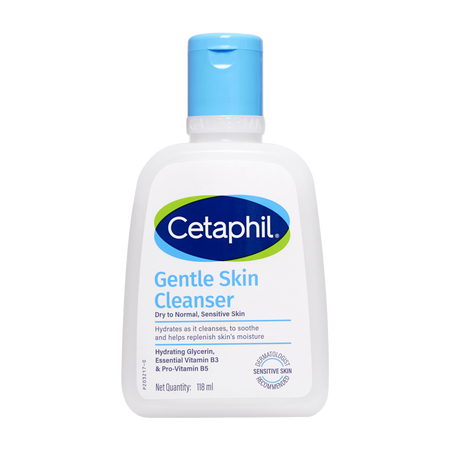
Many dermatologists suggest pairing peptides with gentle cleansing and steady hydration. Mild routines help peptides perform without interference. This is why brands such as Cetaphil often come up in dermatologist conversations, especially for people dealing with sensitivity and barrier issues. Peptides also layer comfortably with sun protection. Even sunscreen in winter remains essential because UV exposure does not depend on temperature. People miss this sometimes. Gentle ingredients still need consistent protection.
Benefits of Peptides Over Retinol
The difference shows up in daily comfort rather than a dramatic overnight change.
Peptides offer:
- Better tolerance for sensitive skin
- Stable hydration support
- Fewer flare cycles
- Compatibility with long-term use
Retinol delivers faster visible changes for some. Peptides deliver steadier progress for many. Neither is wrong. They simply suit different needs. For people who stopped retinol multiple times, peptides often feel easier to commit to. Skin feels predictable again. That alone builds confidence.
Popular Retinol Alternatives: Why Peptides Stand Out
Several ingredients position themselves as retinol substitutes. Some rely on exfoliation. Others focus on antioxidants.
Peptides stand apart because they:
- Support skin structure directly
- Strengthen the barrier
- Reduce irritation risk
- Fit most skin types
They also suit routines where sun exposure remains unavoidable. Conversations around sunscreen in winter connect here because peptides do not increase photosensitivity the way retinol can. For many users, peptides become the most realistic long-term choice.
Conclusion
Retinol has value, but it is not universal. Skin reactions, pregnancy concerns, weather stress, and daily life all influence how well it works.
Peptides offer a calmer approach. They respect sensitive skin and work with natural repair processes rather than pushing change. For those who struggled with irritation, peptides rebuild trust in skincare.
Choosing a gentler option does not mean settling for less. It means choosing comfort alongside consistency. Looking through these points early can make the process easier when you apply.
FAQs

Peptides are short amino acid chains that signal skin to support repair, firmness, and hydration without causing peeling or irritation.
For many people, yes. Peptides offer gradual anti-aging support without the redness or dryness linked to retinol.
Persistent redness, burning, tightness, or flaking despite careful use often suggests retinol does not suit your skin.