Does Your Baby Need Sunscreen? A Complete Guide to Baby Skin Care
Step outside on a summer afternoon in India, and the heat feels sharp, almost immediate. Now think about a baby’s skin in that same sun. It reacts faster, and sometimes in ways that catch parents off guard. Being sensitive, a baby’s skin may be affected by the heat even indoors. Babies can suffer from heat rashes, dehydration, dry patches on the skin, and increased sensitivity. Many people assume sunscreen is the first solution. Others avoid it completely for babies. The confusion is real. This comes up more often than expected. The truth sits somewhere in between. Baby skin care in sunny weather is not just about sunscreen. It is about understanding how delicate skin behaves and what it actually needs.

Why Baby Skin Care Needs Special Attention?
The baby's skin is still developing. It is thinner, softer, and more sensitive to external factors like heat, light, and moisture.
A few key differences make a big impact:
- Skin loses moisture quickly
- It reacts faster to temperature changes
- It has a weaker natural barrier
This is why newborn skin care cannot follow adult routines. Even something as simple as sunlight can affect it more strongly. People sometimes underestimate this. A short walk outside can feel mild to an adult but intense to a baby.
How Sun Exposure Affects Newborn Skin Care
Sunlight is not just warmth. Sun exposure carries ultraviolet rays that interact with the skin.
For babies, this can lead to:
- Redness or mild sunburn
- Dry patches
- Increased sensitivity
- Heat-related irritation
Even indirect sunlight can have an effect. Sitting near a window or being outdoors briefly during peak hours can still expose skin. This is where baby skin care becomes more about prevention than correction. Keeping exposure limited often works better than trying to fix the issue later.
Do Babies Really Need Sunscreen?
This is the question most parents ask first. The answer depends on age.
- Babies under six months usually do not rely on sunscreen as the first option.
- Babies older than six months can use sunscreen designed for sensitive skin.
For younger babies, physical protection works better:
- Shade
- Light clothing
- Covering exposed areas
For older babies, sunscreen becomes part of the routine, but not the only step. It is also worth noting that sunscreen in winter still matters. Sun exposure does not disappear with seasons, even if it feels less intense.
Sun Protection Guidelines for Babies Under 6 Months
For newborn skin care, the focus stays on avoiding direct exposure.
A few practical habits help:
- Keep babies in shaded areas whenever possible
- Use wide-brim hats or light covers
- Dress them in breathable, full-coverage clothing
- Avoid peak sun hours during the day
Most people think short exposure is harmless, but repeated small exposures can add up. If there is unavoidable sun exposure, a small amount of sunscreen on limited areas may be used after consulting a paediatrician.
Choosing Safe Baby Skin Products for Sun Protection
When it comes to baby skin products, the goal is simple. Keep things gentle and predictable.
Look for:
- Products made for sensitive skin
- Fragrance-free formulations
- Minimal ingredients
How to Build a Gentle Baby Skin Care Routine
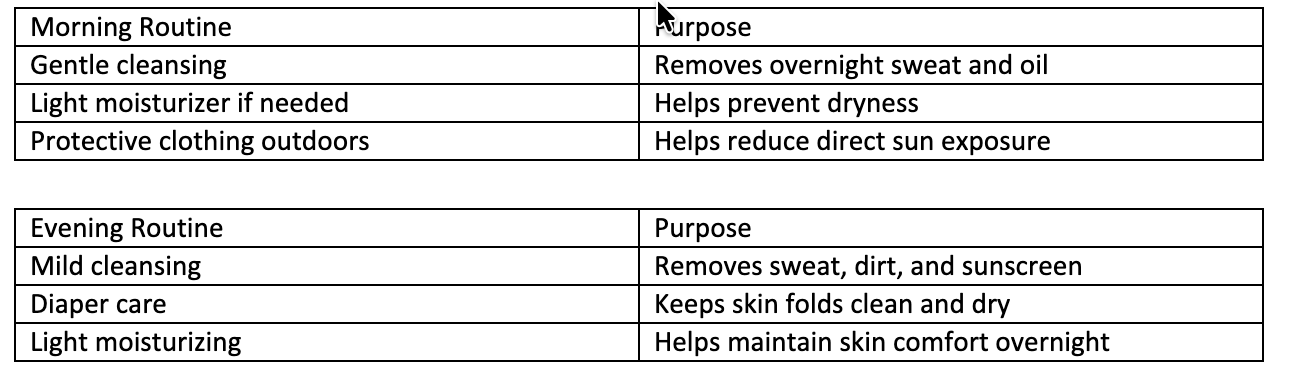
A routine does not need strict timing or too many steps. Babies rarely follow fixed schedules, and that is completely normal. A practical baby skin care routine may look like this:
How to Choose the Best Newborn Skin Care Products
Choosing the best newborn skin care products often comes down to simplicity.
Keep these points in mind:
- Fewer ingredients usually work better
- Products should feel light on the skin
- Avoid switching products too often
The idea is to support the skin barrier, not challenge it. A steady baby skin care routine with the right products can reduce many common concerns, including irritation from heat and sunlight.
Conclusion
Figuring out whether your baby needs sunscreen can feel confusing at first. It is not a yes or no answer. It depends on age, exposure, and how the skin responds. For younger babies, shade and clothing do most of the work. For older babies, sunscreen becomes one part of a broader baby skin care routine. What matters more is consistency and gentle care. It does not have to feel complicated. Paying attention to small details often makes the biggest difference. Looking through these points early can make the process easier when you apply.
FAQs

Babies do need sun protection, but sunscreen use depends on age. For infants under six months, shade and clothing work best. For older babies, a gentle sunscreen can be part of baby skin care, especially during outdoor exposure to strong sunlight.
Sunscreen is usually introduced after six months of age. Before that, focus on protective clothing and shade. Once introduced, choose mild formulations designed for sensitive skin to support safe newborn skin care during outdoor activities in warm weather.
The best newborn skin care products for sensitive skin are gentle, fragrance-free, and simple. Mild cleansers, light moisturizers, and soothing creams help maintain skin balance. Products designed for delicate baby skin reduce irritation and support a calm, healthy skin barrier.