Peptides vs Retinol: Which Anti-Aging Ingredient Is Right for You?
If anti-aging feels confusing, you are not alone. Many people in India stand in front of a shelf or scroll through advice online and pause at the same question. Peptides or retinol. Both sound effective. Both promise smoother skin. Yet experiences differ widely.
Indian skin deals with heat, sun exposure, pollution, long outdoor hours, and sudden weather shifts. Some people notice fine lines early. Others struggle more with pigmentation, dryness, or sensitivity. When advice ignores these realities, it stops feeling useful.
This is why the discussion around peptides vs retinol matters. Not as a competition, but as a choice shaped by skin type, tolerance, and daily life. Anti-aging does not look the same for everyone.

What are Peptides?
Peptides are short chains of amino acids. Amino acids form proteins. Proteins such as collagen and elastin support skin structure and firmness. As skin ages, protein production slows. Environmental stress speeds up this process. In Indian conditions, sun exposure and pollution play a larger role than many realize.
Peptides support skin communication. They send signals that encourage skin to behave like healthier skin. They do not force change. They guided it. This gentle approach explains why peptides appear often in routines built for sensitive or reactive skin.
Benefits of Peptides
Peptides offer support rather than stimulation.
Some commonly noticed benefits include:
- Improved skin comfort over time
- Better surface texture
- Support for firmness without peeling
- Strengthened skin barrier
- Better tolerance of other products
The results feel gradual. Skin feels calmer before it looks different. For many people, that matters more than fast change.
What is Retinol?
Retinol belongs to the vitamin A family. It works by increasing cell turnover. Older skin cells shed faster. Newer cells rise to the surface more quickly. This process explains why retinol remains a popular anti-aging ingredient. It improves fine lines, uneven tone, and texture.
Yet this same mechanism also explains why retinol causes irritation for some people. Indian skin often reacts strongly due to sun exposure, sweating, and daily environmental stress. Retinol adds another layer of stimulation.
Benefits of Retinol
When tolerated well, retinol offers visible changes.
These include:
- Reduced fine lines
- Improved skin tone
- Smoother surface texture
- Support for acne-prone skin
Peptides vs Retinol: Key Differences
The difference between peptide and retinol lies in how they work.
- Peptides communicate. Retinol accelerates.
- Peptides support repair. Retinol pushes renewal.
- Neither approach is wrong. They serve different skin needs.
Some key differences include:
- Peptides rarely cause irritation
- Retinol often causes dryness or redness initially
- Peptides suit long-term daily use
- Retinol requires careful scheduling
- Peptides do not increase sun sensitivity
- Retinol increases sun sensitivity
This matters even in cooler months. Sunscreen in winter remains important when using retinol. UV exposure continues even when temperatures drop.
Suitability for Skin Types
Skin type shapes this choice more than age.
- Sensitive skin often responds better to peptides
- Dry skin may struggle with retinol at first
- Oily skin may tolerate retinol more easily
- Combination skin often needs balance
- Reactive skin benefits from gentle routines
This comes up more often than expected. People choose retinol based on age rather than tolerance. Skin responds based on tolerance, not numbers.
How to Choose the Right Ingredient for Your Skincare Routine
Choosing between peptides vs retinol does not require extremes.
Some helpful questions include:
- Does your skin react easily
- Do you experience redness or stinging
- Can you commit to sun protection daily
- Do you prefer gradual change or visible speed
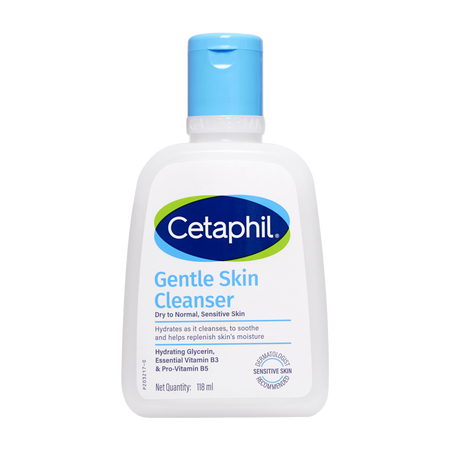
If irritation has been an issue before, peptides often feel safer. If skin feels resilient and you manage sun exposure well, retinol may fit. In many dermatology conversations, brands like Cetaphil come up when discussing gentle cleansing and moisturizing that support ingredients without overstimulation. Stable routines help both actives perform better.
Using Peptides and Retinol in Your Skincare Routine
Yes, peptides and retinol can coexist. Timing matters.
Common approaches include:
- Retinol on limited nights
- Peptides on recovery nights
- Peptides during daytime routines
- Retinol paired with barrier support
Peptides help calm skin stressed by retinol. They support recovery without interfering with results. Even discussions about sunscreen in winter fit here. Retinol increases photosensitivity year-round. Sun protection remains non-negotiable, regardless of season. People often assume the winter sun feels harmless. Skin does not make that distinction.
Conclusion
The debate around peptides vs retinol does not require a winner. It requires honesty about skin needs. Peptides suit sensitive skin and long-term comfort. Retinol suits resilient skin and faster change. Both have value. Both require consistency. Looking through these points early can make the process easier when you apply.
FAQs

Peptides suit sensitive skin and gradual care. Retinol suits faster results when tolerated well. Neither works better for everyone. Skin tolerance determines which option fits long-term routines.
Yes. Many routines use retinol on selected nights and peptides on recovery days. This balance supports results while limiting irritation and barrier stress.
Most people begin with one or two nights weekly. Frequency increases slowly based on tolerance. Daily use works only after the skin adapts fully.