Gallic Acid vs Vitamin C: Which Antioxidant Works Better for Sensitive Skin?
Sensitive skin behaves differently in India. Heat builds early in the day. Dust settles on skin by noon. Indoor cooling dries the face by evening. Even people who followed the same routine for years often notice sudden redness or itching without an obvious reason. Antioxidants enter the picture at this point. They promise protection from pollution, sun exposure, and early aging. Vitamin C often becomes the first choice. For many, that choice lasts a few weeks before discomfort appears. This moment leads people to search for an alternative to vitamin C serum that protects skin without discomfort. Gallic acid often comes up during that search, though it rarely receives the same attention.

What is Gallic Acid?
Gallic acid comes from plants. It appears in ingredients such as berries, tea leaves, and some fruits. In skincare, it works as an antioxidant that focuses on defense rather than correction. Unlike stronger actives, gallic acid does not push the skin to renew itself faster. It does not rely on sharp pH levels. Instead, it supports the skin when exposed to environmental stress such as pollution, sunlight, and temperature shifts. For sensitive skin, this approach feels familiar. The skin stays calm while still receiving support. Many people notice fewer reactions because the ingredient works with the skin rather than against it.
What is Vitamin C?
Vitamin C in skincare commonly refers to ascorbic acid and its related forms and it is widely used for antioxidant support and skin brightening.
Vitamin C helps support:
- Uneven-looking skin tone
- Environmental protection
- Collagen production
- Dull-looking skin
For many people, it becomes a staple product quickly. Still, sensitive skin reacts differently. Some users tolerate Vitamin C comfortably, while others experience:
- Tingling
- Warmth
- Redness
- Dry patches
- Barrier discomfort
These reactions become more common during hot weather, long outdoor exposure, or routines that already contain strong active ingredients.
Benefits of Gallic Acid for Sensitive Skin
Gallic acid focuses on protection rather than stimulation. This distinction matters for sensitive skin.
Common benefits include:
- Support against pollution-related stress
- Lower risk of burning or stinging sensations
- Better comfort during repeated use
- Compatibility with barrier-focused routines
Environmental stress also plays a major role in sensitive skin behaviour. Heat, UV exposure, and pollution continue affecting the skin barrier daily. Global health discussions connected to climate and environmental health effects explain how changing environmental conditions continue affecting overall skin comfort and sensitivity.
Benefits of Vitamin C for Sensitive Skin
Vitamin C still offers advantages when skin tolerates it.
These include:
- Support for dull or uneven tone
- Protection against oxidative stress
- Long-term collagen support
Sensitive skin users often succeed by lowering the concentration or reducing the frequency. Some apply it only in cooler months. Others reserve it for nights with limited exposure. Vitamin C works best when the skin barrier remains stable. Without that stability, discomfort appears faster.
Comparing Gallic Acid and Vitamin C
The biggest difference between these antioxidants lies in how they behave on reactive skin.

Neither ingredient replaces sunscreen. Antioxidants work alongside sun protection rather than instead of it. Ultraviolet (UV) exposure still affects the skin during cloudy weather and indoor daylight exposure near windows. Information discussed through UV radiation guidance explains how repeated exposure continues influencing skin health over time. Daily sunscreens use still matters, even when antioxidant products are part of the routine.
How to Choose Between Gallic Acid and Vitamin C
Choosing an antioxidant depends on how the skin reacts under stress.
Gallic acid may suit people who:
- Experience redness without warning
- React to multiple active ingredients.
- Prefer gradual improvement
- Vitamin C may suit people who:
- Have built tolerance to actives
- Can manage careful timing
No option works for everyone. Skin responses change with age, environment, and health.
Incorporating Antioxidants into Your Skincare Routine
Antioxidants usually perform best inside simple routines.

Using too many active ingredients together often creates more irritation than results.
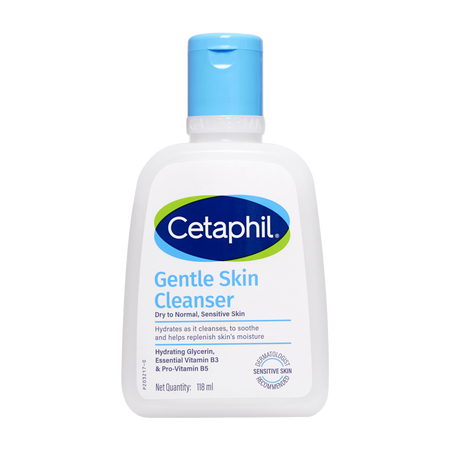
Many dermatologists mention Cetaphil during conversations around gentle antioxidant routines because barrier comfort strongly influences long-term skin stability. Use the Cetaphil AI Skin Analysis Tool for personalized product recommendations based on your skin type. It helps identify concerns like sensitivity, dryness, uneven texture, and excess oil so routines feel simpler and more suitable for daily use.
Conclusion
Sensitive skin requires patience. Antioxidants protect against daily stress, yet not all options suit every face. Vitamin C remains effective for many, though it often challenges reactive skin. Gallic acid offers a calmer alternative that focuses on protection rather than stimulation. In Indian conditions, where exposure to sun and pollution remains constant, gentle antioxidants feel easier to maintain. Choosing between gallic acid and vitamin C depends on comfort, tolerance, and routine consistency. Looking through these points early can make the process easier when you apply.
FAQs

Side effects appear rarely. Most users tolerate it well, though patch testing remains a sensible step.
Visible changes often appear after several weeks of consistent use, depending on skin condition and exposure levels.
Gallic acid focuses on protection. Sensitive skin often benefits more from protection.