AHA BHA PHA for Sensitive Skin: Dos, Don’ts & Safe Usage Tips
This is a matter of skin sensitivity, which is like a day-to-day negotiation to many Indians. There is heat, humidity, dust, traffic pollution, hard water, unexpected weather changes, and the power of the sun. Many people desire smooth skin with no acne and oil-controlled, but the exfoliation through chemicals sounds beneficial and dangerous simultaneously.
This conflict is raised more frequently than most people would assume. One hears about skincare acids all over. Friends talk about glows. Social feeds showcase exfoliation. They are taken into consideration during dermatologist visits. In the middle of it all, one can find sensitive skin that cannot tell what to trust.
This blog is a breakdown of how AHA, BHA, and PHA can be integrated into sensitive routines, what really works, and what usually goes wrong when acids are utilized without context.

What Are AHA, BHA, and PHA?
The skincare actives are meant to soften the cell connections between dead cells that are on the surface. The process facilitates texture and clearer pores. The actions of every active group are different. AHAs are water-based. They are concerned with the surface of the skin. The common assumptions about AHA skincare are related to the problems with the texture, its flatness, and uneven skin tone. BHAs are oil soluble. They travel into pores. BHA skincare tends to be appropriate for clogged pores and breakouts.
The PHAs are like the AHAs except they contain bigger molecules. This restricts the extent of their travel. PHAs are better tolerated by sensitive skin. Comparing AHA, BHA, and PHA, the actual distinction lies in the depth of penetration and risk of irritation. Delicate skin tends to be sensitive to more gentle motion than rough resurfacing.
Benefits of Using Chemical Exfoliants on Sensitive Skin
Sensitive skin also sheds off dead cells. When the process gets slow, problems accumulate silently.
Certain advantages that may come with the use of actives are:
- Less accumulation of dead skin cells, which leads to dullness.
- The number of clogged pores reduce in the long run.
- Enhanced moisturizer absorption.
- Less wrinkled appearance of skin.
Light peeling is not the goal of gentle exfoliation. It supports balance. The barrier remains calm when the acids are equal to the skin's tolerance. Climate change also matters here. The Indian skin tends to alternate between oily and dry depending on the area and time of the year. Actives, when applied in small quantities, assist in the management of skin without straining it.
Dos of Using AHA, BHA, and PHA for Sensitive Skin
Delicate skin requires time rather than strength. Some habits are favourable.
Helpful practices include:
- Beginning with formulas of low concentration.
- Select one form of acid at a time.
- Apply at night when the skin is at rest.
- Wear sunscreen both in winter and summer.
- Delayed days between exfoliation intervals.
Here, sunscreen is of concern in winter. Even at low temperatures, exfoliated skin remains more sensitive to UV radiation. Individuals tend to eliminate protection in colder seasons, resulting in pigmentation in the future. Time schedules are not as important as listening to skin feedback.
Don’ts of Using AHA, BHA, and PHA for Sensitive Skin
Most of it is too much too soon.
Common mistakes include:
- Combining various acids during a single instance.
- Using exfoliants daily
- Application to damage or fractured skin.
- Leaving moisturization after exfoliation.
- No heed to erythema or pain.
This pattern repeats. Someone gets better and then puts more on it. Sensitivity increases within weeks. It would take more time to recover than what would have been recovered under restraint.
Safe Usage Tips for AHA, BHA, and PHA on Sensitive Skin
Safety comes from frequency, simplicity, and observation.
Some habits reduce risk:
- Applying exfoliants to dry skin rather than damp skin
- Keeping routines minimal on exfoliation days
- Avoiding physical scrubs while using acids
- Supporting the barrier with moisturizers
- Maintaining daily sun protection
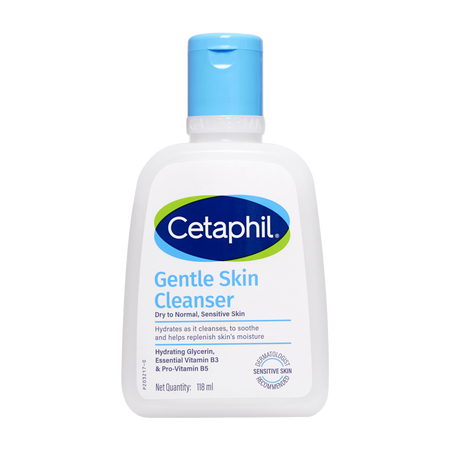
This includes sunscreen in winter. UV damage does not pause during colder months. Post-exfoliation skin responds faster to sunlight regardless of temperature. In many dermatologist-led discussions around sensitive routines, Cetaphil appears as the most-loved choice for barrier-friendly care rather than aggressive treatment.
Conclusion
The sensitive skin does not require evasion. It needs gentle care. All of them, AHA, BHA, and PHA, have their place to use when taken in moderation. PHAs often suit beginners. When separated, BHA is beneficial for acne-prone skin. AHAs promote low-strength surface renewal. Attending to the skin signals avoids extended recuperation periods. It is better to be consistently gentle than swift. When you are applying, it is easy to look through these points in advance in order to simplify the process.
FAQs

AHAs exfoliate the surface; BHAs work inside pores, and PHAs exfoliate gently with slower penetration. Sensitive skin usually tolerates PHAs best, followed by low-strength AHAs.
Mixing acids increases irritation risk for sensitive skin. Using one acid at a time with rest days between applications allows better tolerance and reduces barrier disruption.
Most sensitive skin types tolerate chemical exfoliation once or twice weekly. Frequency depends on climate, barrier strength, and how the skin responds within twenty-four hours.