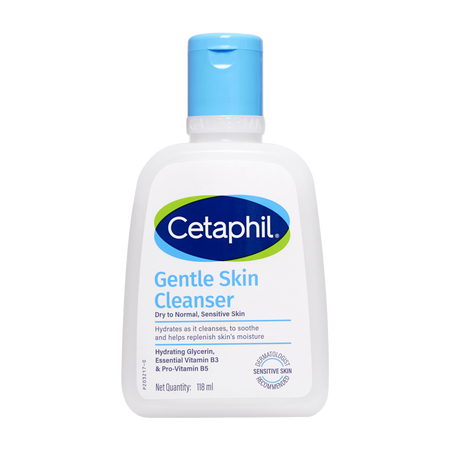
Nighttime Skincare with Gallic Acid: Restore and Rejuvenate Your Skin
By the time the day ends, your skin has already done a lot. Heat, dust, long hours outdoors, and even sitting in air conditioning for too long. It all adds up. You may not notice it immediately, but it shows up as dullness, uneven tone, or that slightly tired look in the mirror. This is something many people deal with, especially in Indian conditions, where the weather and pollution keep changing. You follow a routine, yet your skin still feels off some days. That can be frustrating.
Nighttime is not just about removing makeup or washing your face. It is when your skin tries to recover. What you apply during this time matters more than most people think. That is where gallic acid in skincare starts to feel useful. It does not try to do too much at once. It helps your skin recover while it resets.

What is Gallic Acid?
Gallic acid is a naturally derived compound found in plants like green tea and berries. In skincare, it is known for its antioxidant properties, which help protect the skin from daily environmental stress.
Think about everything your skin faces:
- Pollution from traffic and urban areas
- Sun exposure, even on cloudy days
- Indoor dryness caused by air conditioning
- Stress and lack of sleep
All these slowly affect how your skin behaves. Gallic acid use is not about quick fixes. It is about helping your skin stay balanced over time. It works quietly, which is why many people find it easy to include in their routine.
Some simple ways it helps:
- Helps reduce moisture loss caused by daily environmental exposure”
- Helps reduce visible inflammation
- Improves overall skin tone gradually
- Reduces that tired, dull look
How Gallic Acid Works at Night
At night, your skin shifts into recovery mode. It repairs itself, restores moisture, and tries to correct the damage caused during the day. This is where gallic acid in skincare fits naturally. Instead of pushing the skin, it works alongside the skin’s natural nighttime recovery process. That makes a difference.
Here is how it works at night:
- Helps reduce the impact of oxidative stress from daytime exposure
- Supports overnight skin recovery
- Helps reduce inflammation, especially after daily environmental exposure
- Prepares the skin for the next day
This comes up more often than expected. People use strong treatments at night, thinking more is better. That can sometimes backfire. A gentler ingredient like gallic acid works with your skin, not against it.
Nighttime Benefits of Gallic Acid
One reason people continue using gallic acid is consistency. It usually feels manageable inside regular routines. Simple nighttime routines often work better than complicated ones.
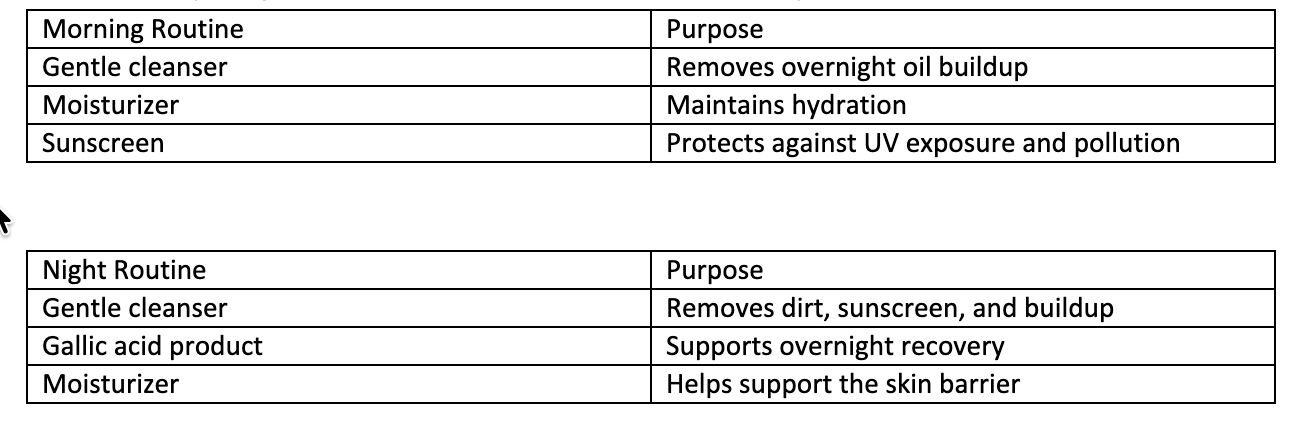
Another point worth noting is routine consistency. Even if your daytime routine changes, keeping your nighttime routine simple and steady can make a difference. Also, do not forget daytime protection. Many people skip sunscreen in winter, assuming it is unnecessary. But ultraviolet (UV) exposure continues, and it affects your skin in the long run. Night repair works better when daytime protection is consistent.
Precautions When Using Gallic Acid
Even though gallic acid is gentle, it still helps to be mindful.
Here are a few things to keep in mind:
- Avoid mixing too many active ingredients at once
- Start with a small amount if you have sensitive skin
- Always follow with a moisturizer
- Do not expect instant results
People often expect quick changes. When that does not happen, they switch products too fast. That makes it harder to see what works. Another common mistake is skipping basic steps. Even the best ingredient cannot help if the routine is incomplete. Also, remember that sunscreen in winter still plays a role. Protection during the day helps improve overnight skin recovery.
How to Incorporate Peptides into Your Skincare Routine
This might sound slightly unexpected, but peptides often come up in discussions about skin repair. While gallic acid helps reduce environmental stress and oxidative damage, peptides focus more on maintaining skin structure. You do not need a complicated routine to use both.
A simple nighttime routine could look like this:
- Cleanser to remove dirt and buildup
- Product with gallic acid
- Peptide-based product if needed
- Moisturizer
This combination works because each step has a role.
- Gallic acid helps reduce inflammation and environmental stress
- Peptides help maintain firmness and skin structure
- Moisturizer keeps everything hydrated
If you are unsure about what suits your skin, you can try the Cetaphil AI Skin Analysis Tool for personalized product recommendations based on your skin type. It helps identify what your skin needs without guesswork, making routines easier to follow. The key is not to overdo it. Keep it simple and consistent.
Conclusion
Nighttime skincare does not need to feel complicated. Your skin already knows how to repair itself. It just needs the right support. Gallic acid use fits well into this idea. It helps your skin recover from daily stress without adding pressure. It works quietly, which makes it easier to continue using over time. If your skin often feels tired, uneven, or sensitive, a steady nighttime routine can help more than frequent changes. Looking through these points early can make the process easier when you apply.
FAQs

Yes, gallic acid can be used every night as part of a simple routine. It is gentle and supports daily care without overwhelming the skin. Regular use helps maintain balance and comfort, especially when paired with a basic cleanser and moisturizer.
Gallic acid supports overnight skin recovery by reducing inflammation and helping the skin recover from daily stress. It works quietly while your skin resets, reducing signs of fatigue and helping your skin feel more balanced by morning.
Gallic acid helps reduce early signs of aging by protecting the skin from environmental stress that leads to fine lines and uneven tone. Over time, consistent use supports smoother-looking skin, though results appear gradually rather than through quick, visible changes.