Can Peptides Replace Retinol in an Anti-Aging Routine?
For many people in India, anti-aging does not start with wrinkles. It starts with irritation.
Skin here deals with long sun exposure, heat, humidity, pollution, and frequent washing. Add late nights, screen time, and stress, and skin rarely feels calm. When fine lines show up, the instinct often goes straight to retinol. Then comes redness, peeling, or breakouts. This cycle comes up more often than expected.
That is where the conversation around peptides begins. Not as a trend, but as a question. Can a gentler ingredient do enough? Or does replacing retinol mean settling for less? This blog looks at that question without drama.

What are Peptides?
Peptides are short chains of amino acids. Skin already uses amino acids to stay firm and functional. Peptides act like signals that remind skin how to behave more healthily.
- They do not exfoliate.
- They do not thin the skin.
- They do not force rapid change.
Instead, peptides support what skin already tries to do on its own. This makes them appealing as a retinol alternative, especially for people who value comfort and consistency. Many people miss this sometimes. Anti-aging does not always need intensity to work.
Understanding Retinol
Retinol speeds up skin renewal. That is its strength and its weakness.
It helps with:
- Wrinkles
- Uneven texture
- Pigmentation
But it also disrupts the skin barrier during adjustment. In climates with strong sun exposure, this adjustment period often feels harder. Peeling, sensitivity, and breakouts are common complaints.
Even with careful use, retinol may not suit:
- Sensitive skin
- Barrier-damaged skin
- People with inconsistent routines
- Those exposed to the sun daily
This leads many to search for a substitute for retinol that still supports aging skin.
Peptides vs. Retinol: A Comparative Analysis
The debate around peptides vs retinol usually focuses on speed versus tolerance. Peptides work more slowly but feel easier to maintain.
Retinol demands strict routines and sun protection. Peptides fit into flexible routines. This matters for people who travel, work outdoors, or skip steps on busy days. Skin aging is not a race. It is cumulative. What stays in a routine often matters more than what works fastest on paper.
Efficacy for Different Skin Types
Different skin types respond differently to anti-aging ingredients.
- Sensitive skin often tolerates peptides better
- Dry skin benefits from peptide support without flaking
- Oily skin appreciates the lack of irritation
- Combination skin handles peptides with fewer adjustments
Retinol still works well for some. Peptides simply widen the options.
Benefits of Using Peptides as a Retinol Alternative
Peptides shine in areas people rarely talk about.
They support:
- Skin comfort
- Barrier strength
- Hydration balance
- Long-term consistency
This matters in India, where even winter sun remains strong. Conversations around sunscreen in winter exist for a reason. UV exposure does not pause with cooler weather. Peptides do not increase sun sensitivity. That alone makes them a practical retinol substitute for many.
How to Incorporate Peptides into Your Skincare Routine
Peptides fit into routines quietly.
They work well with:
- Gentle cleansing
- Regular moisturizing
- Daily sun protection
No strict timing rules. No long adjustment phase.
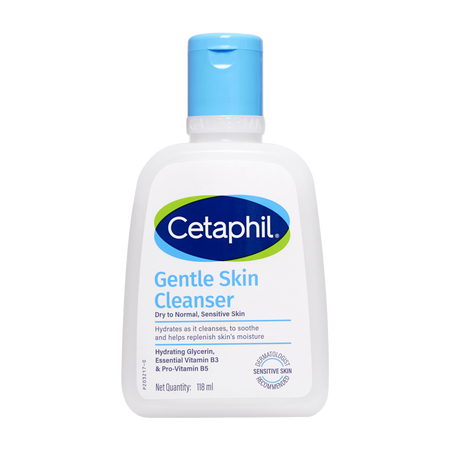
This flexibility explains why dermatologists often recommend peptide-based routines alongside gentle brands such as Cetaphil, which appears frequently in barrier-focused skincare discussions. Peptides do not compete with sunscreen. They complement it. Even sunscreen in winter remains part of healthy aging when peptides are in use.
When to Consider Using Peptides Over Retinol
Peptides may suit you better if:
- Retinol irritated earlier
- Skin reacts easily to actives
- Routine consistency feels difficult
- Sun exposure remains high
This does not mean retinol is bad. It simply means skin tolerance matters as much as ingredient strength. Many people return to peptides after stopping retinol. That choice often comes from experience rather than theory.
Popular Peptide Products in the Market
Peptide products appear in serums, creams, and lotions. The format matters less than consistency.
People often prefer formulas that:
- Feel light
- Absorb well
- Support barrier comfort
Avoid chasing high percentages. Peptides work through repetition rather than concentration. This slower rhythm suits people who prefer stability over visible shock.
Conclusion
Peptides do not replace retinol in every situation. They replace it where comfort, tolerance, and routine consistency matter more than speed. For many people in India, that balance feels realistic. Aging skin does not always need pressure. It needs support. Peptides offer support without demanding perfect routines or causing disruption. They work quietly, steadily, and with fewer setbacks.
FAQs

Peptides support skin firmness, hydration, and barrier strength without irritation, making them suitable for long-term anti-aging routines.
For many people, yes. Peptides offer gradual improvement with better tolerance, especially for sensitive or sun-exposed skin.
Yes. Peptides work well for sensitive, dry, oily, and combination skin types with minimal risk of irritation.