Can You Mix AHA, BHA & PHA? Dermatologist-Approved Layering Tips
If you live in India and care about your skin, chances are you have already faced this question. One product promises glow, another claims clearer pores, and a third talks about gentle exfoliation. All three sound useful. All three sit on the shelf. And then doubt kicks in. Can these acids be mixed? Should they be layered? Or should sensitive, acne-prone, or pigmented skin stay far away?
This confusion shows up more often than expected. Indian skin deals with heat, humidity, pollution, hard water, and long sun exposure. Medium to deeper skin tones also react differently to irritation. Even small mistakes can leave marks that linger.
This guide breaks down what AHA, BHA, and PHA actually do, when layering makes sense, when it does not, and how dermatologists usually look at acid combinations without pushing skin into damage.

What Are AHA, BHA, and PHA?
All three belong to the group often called skincare acids. They exfoliate chemically rather than physically. Instead of scrubbing, they loosen dead skin cells, so they shed naturally.
- AHAs work mainly on the surface. AHA skincare focuses on texture, dullness, and uneven tone. These acids stay water-based and act gently when used at low strength.
- BHAs move deeper because they dissolve in oil. BHA skincare suits clogged pores and blackheads. They help clear buildup inside pores rather than just smoothing the surface.
- PHAs resemble AHAs but have larger molecules. This slows absorption. That slower movement explains why PHAs usually feel calmer on reactive skin.
When people compare AHA vs BHA vs PHA, the real difference lies in depth, speed, and tolerance rather than strength alone.
AHA, BHA, and PHA: Which Is Best for Your Skin Type?
Skin type matters more than trends.
- Dry or dull skin often responds better to low-strength AHAs or PHAs
- Oily or acne-prone skin usually benefits from BHAs in limited frequency
- Sensitive skin tends to tolerate PHAs best
- Combination skin may require acids on separate days
Indian skin also shifts seasonally. A routine that works in winter may irritate during peak summer heat. This explains why many people feel confused when something that once helped suddenly starts to sting. Acid tolerance changes.
How to Layer AHA, BHA, and PHA Safely
Layering does not mean stacking everything together. Dermatologists usually look at layering across time rather than in one session. That approach lowers irritation risk and protects the barrier.
Safer approaches include:
- Using different acids on different nights
- Pairing one acid with calming hydrating ingredients
- Leaving recovery days between exfoliation sessions
- Avoiding exfoliation on already inflamed skin
This approach becomes more important when pollution, sun exposure, or stress already challenges the skin barrier. Even sunscreen in winter matters here. Exfoliated skin reacts faster to UV exposure regardless of temperature. Pigmentation issues often trace back to skipping sun protection after acids.
Can You Mix AHA, BHA, and PHA?
The short answer is yes, but not all at once and not for everyone. Mixing acids in the same routine increases penetration speed. That often overwhelms sensitive or pigmented skin. The reaction may not show immediately. It builds quietly.
Dermatologists usually prefer:
- One acid per routine
- Alternating acids across days
- Letting the skin adjust before any increase
People assume stronger routines work faster. Steady with recovery time produces better long-term results.
The Science Behind AHA, BHA, and PHA Effectiveness
Each acid works at a specific pH range. When multiple acids combine, the skin barrier faces sudden shifts. That shift triggers inflammation. PHAs move slowly. AHAs act faster on the surface. BHAs penetrate pores. Mixing them changes how the skin responds at each layer. Indian skin tones tend to produce pigment faster when inflamed. This explains why irritation often leads to dark marks rather than redness alone. This also explains why sunscreen in winter stays relevant. UV exposure worsens post-inflammatory pigmentation even during cooler months.
Dermatologist-Approved Layering Tips
Real-world guidance focuses on restraint.
Helpful practices include:
- Keeping exfoliation nights separate from active treatment nights
- Using barrier-supportive moisturizers consistently
- Avoiding exfoliation before long outdoor exposure
- Paying attention to delayed reactions the next morning
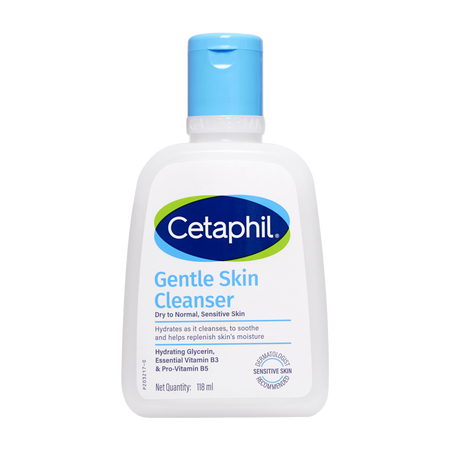
In many dermatology discussions around gentle routines, Cetaphil often appears as a reference for barrier-supportive cleansing rather than aggressive exfoliation. This reference reflects clinical preference rather than brand dependency.
Common Mistakes to Avoid When Using Acids
Most irritation happens due to habits, not ingredients.
Common mistakes include:
- Increasing frequency too quickly
- Mixing multiple acids
- Exfoliating on broken or irritated skin
- Skipping moisturizer afterward
- Ignoring early tightness or stinging
- Not using Sun protection/Sunscreen/Photoprotection
This cycle repeats often. Skin improves briefly, then reacts suddenly. That reaction often takes longer to calm than expected.
Conclusion
AHA, BHA, and PHA all serve a purpose. Mixing them is not wrong, but timing and restraint matter more than combinations. Indian skin benefits from slow, predictable routines that respect climate and pigmentation risk. Listening to early signals prevents long-term damage. Looking through these points early can make the process easier when you apply.
FAQs

Not everyone tolerates all acids. Sensitive, eczema-prone, or compromised skin often responds better to PHAs or low-strength acids.
AHAs exfoliate the surface; BHAs work inside pores, and PHAs exfoliate slowly with less irritation. Sensitive skin usually tolerates PHAs best.
Most skin types do well with exfoliation one to three times weekly. Frequency depends on climate, barrier health, and how the skin responds within twenty-four hours.