Gallic Acid for Dull and Tired Skin: Restoring Glow Morning to Night
Dull skin rarely appears overnight. It builds quietly through long commutes, heat, dust, screens, late nights, and air-conditioned rooms all leave their mark. In India, this cycle feels familiar. Skin looks fine in the morning, then flat by afternoon, then tired again the next day.
People often search for a skin treatment for dull skin once makeup stops sitting right or photographs look different. That moment usually leads to stronger activities. For many, that path ends in irritation rather than glow. This is where gallic acid enters the conversation. Not as a quick fix, but as a steady support for skin that looks exhausted rather than damaged.

What is Gallic Acid?
Gallic acid is a plant-derived antioxidant. It appears naturally in foods such as berries, tea leaves, and certain fruits. In skincare, it works quietly. It does not exfoliate aggressively. It does not force cell turnover. It focuses on protection. This matters for tired skin. Dullness often comes from repeated exposure rather than lack of exfoliation. Pollution particles settle. Repeated sun exposure accumulates. The skin barrier works harder without enough recovery time.
Gallic acid helps reduce oxidative stress. Over time, tone appears calmer. Texture looks more even. The glow returns slowly rather than suddenly.
How Gallic Acid Benefits Dull and Tired Skin
Dull skin usually signals an imbalance. Not dryness alone. Not oiliness alone. It often reflects skin that stays in defense mode all day.
Gallic acid supports dull skin in several ways:
- Helps reduce environmental stress from pollution
- Supports a more even skin tone over time
- Fits into routines meant for sensitive or reactive skin
Glow does not always come from stimulation. Sometimes it returns when irritation stops. Many dull skin products rely on exfoliation. That helps some people. For others, it strips the skin and worsens fatigue. Gallic acid takes a different route by protecting rather than pushing.
Incorporating Gallic Acid into Your Skincare Routine
Gallic acid works best in simple routines. Overloading the skin often cancels out its benefits.
Morning use often focuses on protection:
- Apply after cleansing
- Follow with moisturizer
- Pair with sunscreen in winter and summer alike
Night use supports recovery:
- Helps skin reset after exposure
- Supports barrier comfort overnight
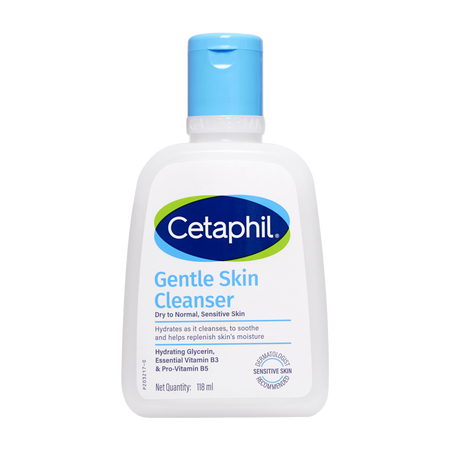
This ingredient suits people who want skin products for dull skin without changing everything else. It blends easily with routines built around hydration and barrier care. During conversations about gentle antioxidant use, dermatologists often mention Cetaphil as an example of brands that focus on skin comfort first. That comfort allows antioxidants like gallic acid to perform better over time.
What to Expect When Using Gallic Acid
Results appear gradually. This ingredient does not promise overnight brightness.
Common observations include:
- Reduced redness over time
- More even tone after consistent use
- Skin looks less tired under indoor lighting
- Makeup sits better
This comes up more often than expected. People stop chasing glow once skin looks calm. Calm skin reflects light better. Those seeking instant brightness may feel impatient. Those seeking sustainable improvement usually stay consistent.
Conclusion
Dull and tired skin reflects modern routines more than neglect. Long days, pollution, and constant exposure exhaust the skin barrier. Gallic acid supports recovery without pressure. It protects skin throughout the day and supports balance at night. For those who want skin products for dull skin without irritation, this ingredient offers a steady option. Results appear gradually, yet they last longer because the skin stays calm. Looking through these points early can make the process easier when you apply.
FAQs

Yes, most skin types tolerate gallic acid well. Sensitive and reactive skin often responds especially well due to its gentle antioxidant profile.
Yes, but spacing usage helps. Using gallic acid alongside stronger acids on different days reduces irritation risk.
Daily use often shows visible improvement within a few weeks, depending on skin condition and exposure levels.