Peptides for Fine Lines and Wrinkles: What Results Can You Expect?
Fine lines do not appear overnight. Most people notice them slowly, almost by accident. A crease near the mouth that stays after a smile. Lines under the eyes that show up earlier than before. For many in India, these changes arrive sooner due to sun exposure, pollution, and long hours outdoors.
This often leads to confusion. Some products promise fast change but cause irritation. Others feel gentle but raise doubts about results. Peptides sit quietly in the middle of this conversation. They rarely shock the skin. They also rarely promise miracles. People ask a fair question. If peptides work gently, what can they really do for wrinkles? That question deserves a calm answer.

What are Anti-Wrinkle Peptides?
Peptides are small chains of amino acids. Skin already uses amino acids to stay firm and functional. Peptides simply deliver signals that remind skin how to repair and support itself. Anti-wrinkle peptides focus on communication rather than force. They do not exfoliate. They do not thin the skin. They send messages instead.
This difference matters in regions where skin already deals with:
- Intense sunlight
- Heat and humidity
- Dust and pollution
- Frequent cleansing
For many people, especially those who experienced irritation before, anti-wrinkle peptides feel like a safer starting point.
Types of Peptides for Anti-Aging
Not all peptides behave the same way. Skincare formulas often combine several types to cover different needs.
Common categories include:
- Signal peptides that support collagen activity
- Carrier peptides that assist the delivery of helpful minerals
- Enzyme-inhibiting peptides that slow visible aging signs
Peptides rarely work alone. Their strength comes from consistent use over time rather than intensity. This is why peptides for fine lines tend to appeal to people who want gradual change without flare-ups.
How Do Peptides Work on Fine Lines and Wrinkles?
Peptides work beneath the surface. They help skin behave like healthier skin.
Instead of stripping or resurfacing, peptides:
- Support elasticity
- Improve hydration balance
- Strengthen the skin barrier
- Reduce the appearance of shallow lines
This approach suits skin exposed to constant stress. In India, even winter sun affects aging, which explains why conversations around sunscreen in winter remain relevant. Peptides support skin, but protection still matters.
Peptide Benefits for Skin
People often notice small changes first.
- Skin feels less fragile.
- Makeup sits more evenly
- Dry lines soften faster
- Skin tone looks steadier
Over time, peptides and wrinkles show a different relationship. Lines appear less sharp, rather than erased. That realistic improvement helps set proper expectations.
What Results Can You Expect from Peptide Treatments?
Peptides do not deliver instant change. This sometimes disappoints people who expect visible results within days.
Most users observe progress in stages:
- First few weeks: better hydration and comfort
- One to two months: fine lines soften slightly
- Three months onward: texture and firmness improve
This timeline depends on lifestyle, sun exposure, and consistency. Skincare routines often fail during travel or seasonal shifts. That affects outcomes more than ingredients alone.
Peptides reward patience.
How to Incorporate Peptides into Your Skincare Routine
Peptides fit easily into simple routines.
They work well when paired with:
- Gentle cleansing
- Consistent moisturizing
- Daily sun protection
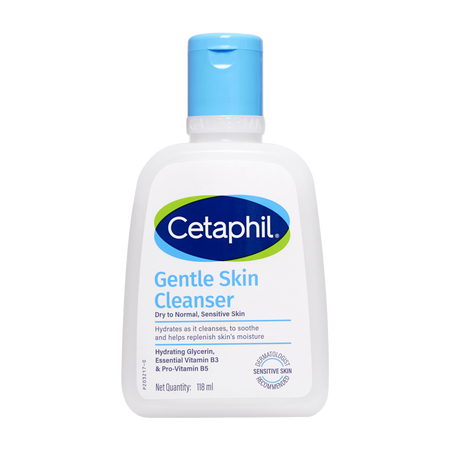
This balance supports long-term results. Dermatologists often recommend gentle formulations for peptide use, which explains why brands like Cetaphil frequently appear in sensitive-skin conversations. Peptides also pair well with sunscreen. Even sunscreen in winter matters because UV exposure continues year-round. People overlook this connection more often than expected.
Potential Side Effects and Precautions
Peptides suit most skin types. Side effects remain uncommon.
Still, caution helps:
- Avoid layering with too many activities at once
- Introduce one new product at a time
- Patch test when the skin reacts easily
Peptides rarely sting or peel. If irritation appears, it usually links to other ingredients rather than peptides themselves. This is why peptides for wrinkles feel approachable for people hesitant after previous reactions.
Conclusion
Peptides offer a steady approach to aging skin. They do not rush change. They do not overwhelm skin that already handles sun, pollution, and weather shifts. For fine lines and wrinkles, results appear gradually but comfortably. This gentle rhythm suits many people who value consistency over intensity. While peptides do not erase wrinkles overnight, they help skin look supported and resilient with time.
FAQs

Peptides are short amino acid chains that signal skin to support repair, hydration, and firmness without causing peeling or irritation.
Most people notice hydration and comfort within weeks, with visible softening of fine lines after consistent use for two to three months.
Yes. Peptides suit sensitive, dry, oily, and combination skin types and rarely irritate when used correctly.